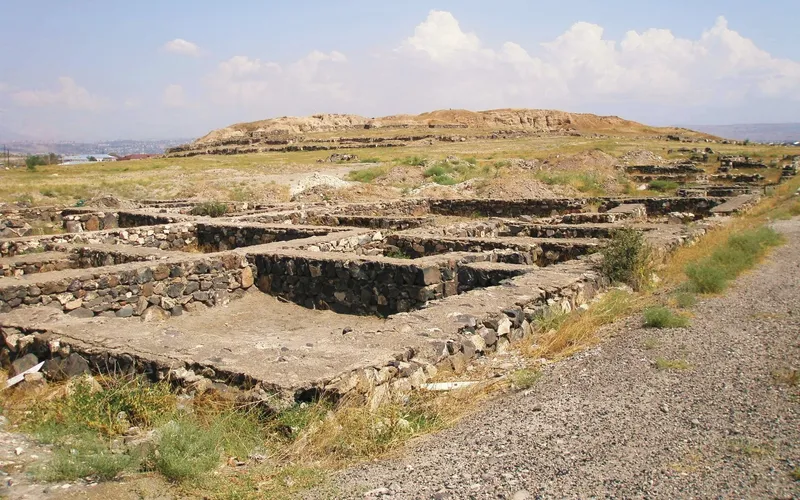
Երևանը կոչում են վարդագույն քաղաք, և սա փոխաբերություն չէ, այլ երկրաբանություն. գրեթե ողջ կենտրոնը կազմված է հրաբխային տուֆից՝ քարից, որը մայրամուտին լցվում է ծիրանագույնով ու վարդագույնով։ Քաղաքն ավելի հին է, քան Հռոմը. մ.թ.ա. 782 թվականին ուրարտացի Արգիշտի I արքան բազալտե սալի վրա փորագրեց Էրեբունի ամրոցի հիմնադրման մասին գրառումը։ Այսպես Երևանը դարձավ աշխարհի ամենահին անընդհատ ապրող քաղաքներից մեկը՝ նրան գրեթե քսանութ դար է։
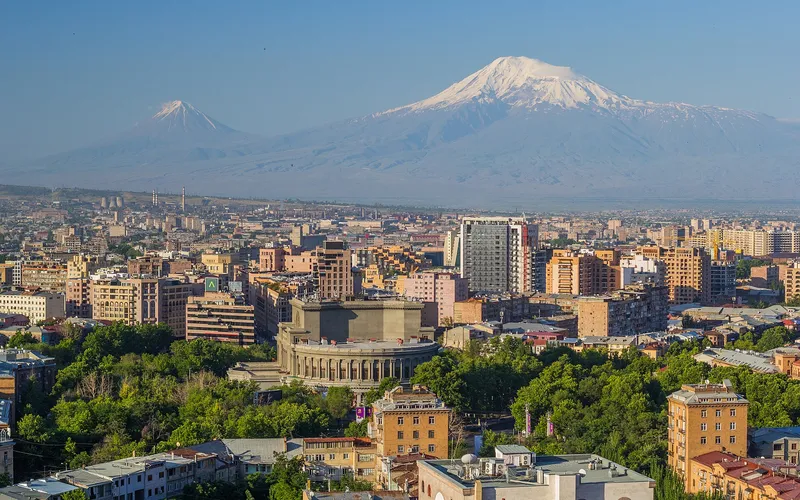
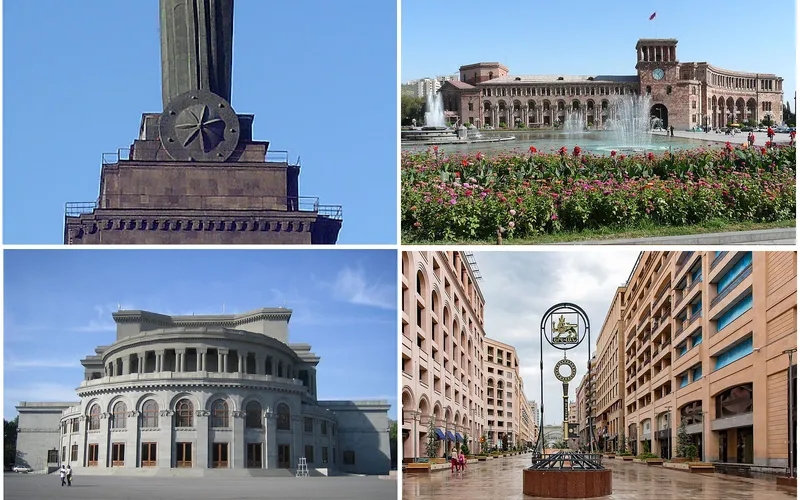
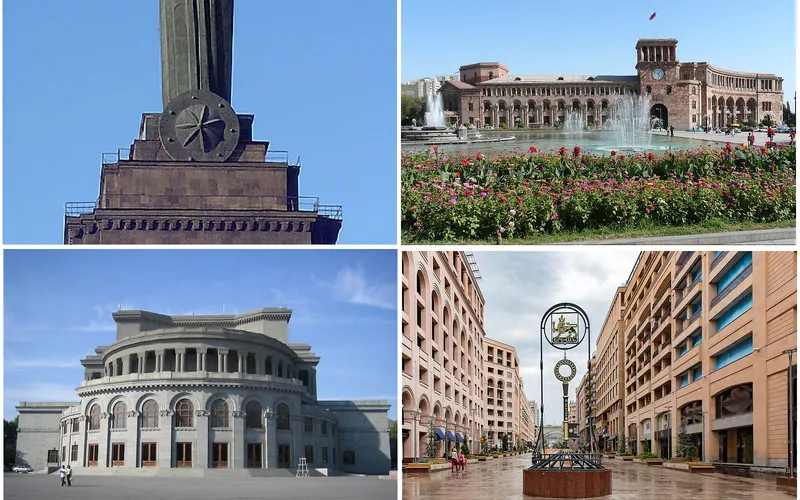
Մայրաքաղաքի սիրտը Հանրապետության հրապարակն է՝ վարդագույն և կրեմագույն տուֆի օվալ, որտեղ երեկոներն պարում են երգող շատրվանները։ Այստեղից փողոցները հովհարաձև տարածվում են դեպի Կասկադ՝ այգիներով հսկայական աստիճանավանդ-պատշգամբ Գաֆեսճյանի արվեստի կենտրոնով, դեպի Օպերա, դեպի Մատենադարան՝ հին ձեռագրերի պահոց, որ վերևից նայում է քաղաքին։ Իսկ այս ամենից վեր, եթե երկինքը պարզ է, կախված է երկգլխանի Արարատը՝ սահմանից այն կողմ գտնվող լեռը, որը երևանցիներն իրենցն են համարում։
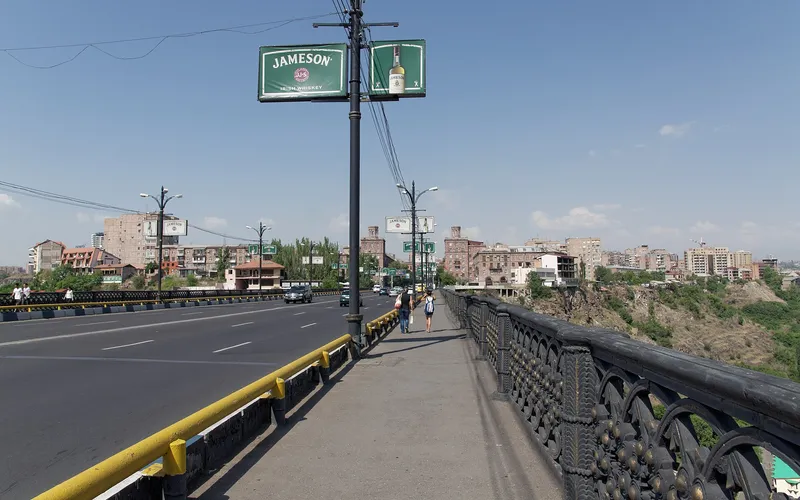
Քաղաքի միջով հոսում է Հրազդանը՝ խորը կիրճ կտրելով, և փոքրիկ Գետառը։ Արևմտյան բլրի վրա սառել է Ծիծեռնակաբերդը՝ ցեղասպանության զոհերի հուշահամալիր՝ հավերժ կրակով և ասեղ-կոթողով։ Իսկ ներքևում եռում է մեկ այլ կյանք. Վերնիսաժ՝ գորգերով ու արծաթով, ԳՈՒՄ-ի ծածկ շուկան (Պակ շուկա)՝ չորամրգի սարերով, Հյուսիսային պողոտայի սրճարանները։ Երևանը ծիրան է ու կոնյակ, տուֆ ու ջազ, հնություն ու հավերժ վերանորոգում։
«Երևանը արևածագի գույնի քաղաք է՝ կերտված հենց արշալույսից։»
Այս էջում՝ մայրաքաղաքի թաղամասերը (եղանակը՝ սեղմելիս), նրա գլխավոր հուշարձանները, երթուղիներն ու տարեգրությունը։ Էրեբունի, Կասկադ, Մատենադարան, Ծիծեռնակաբերդ — յուրաքանչյուրն իր ժամանակով ու իր բնավորությամբ։