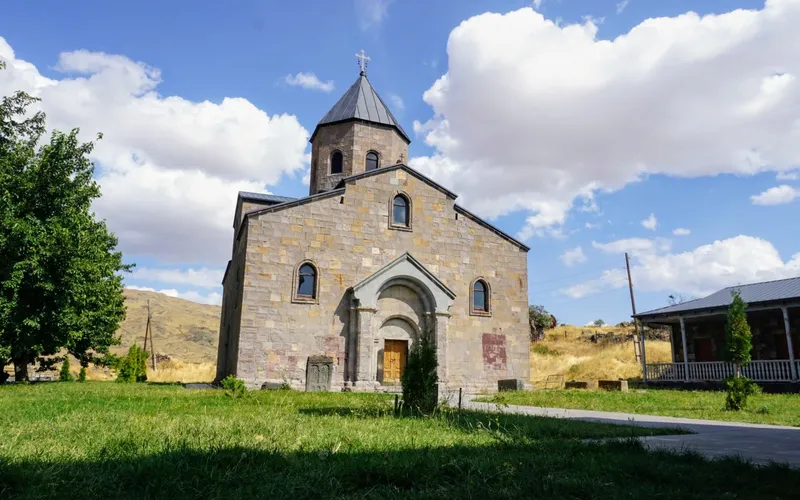
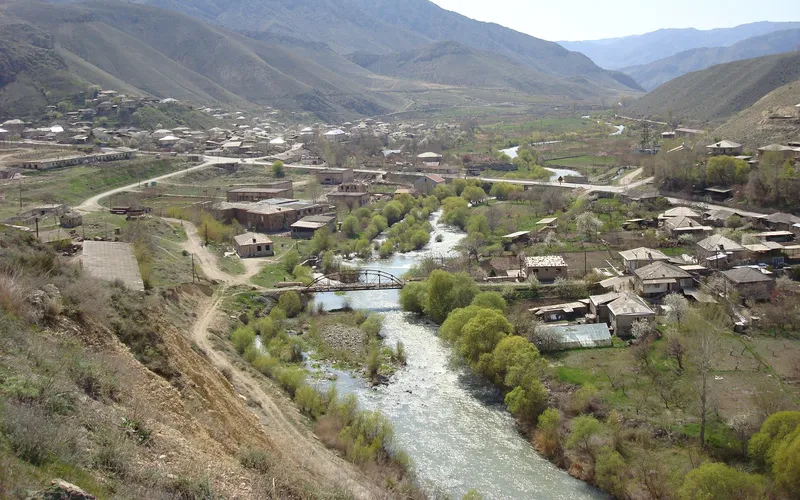
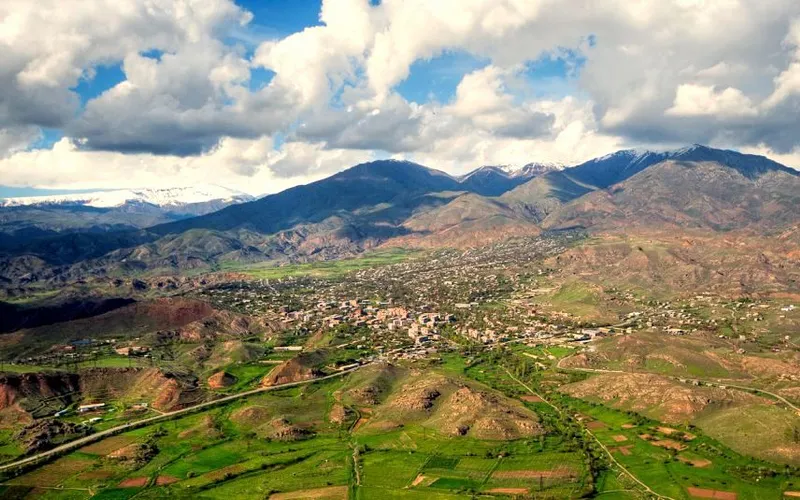
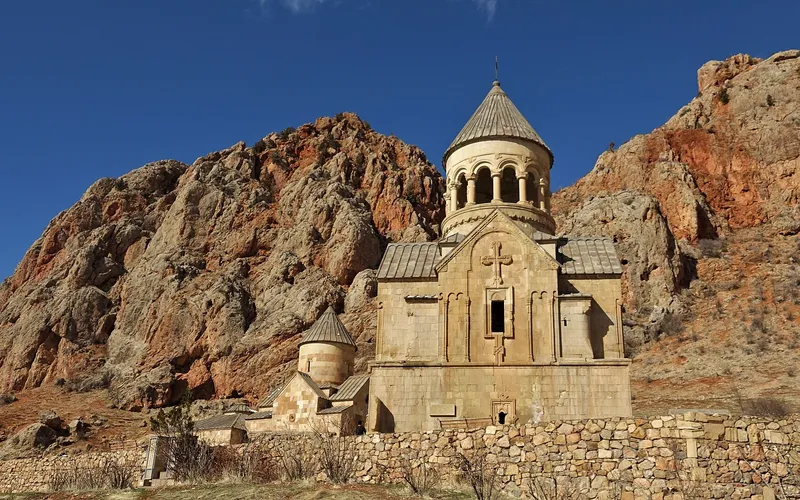
Վայոց ձորը՝ «վշտի ձոր», ըստ ընդերքն ընկղմված քաղաքի ավանդության, իրականում Հայաստանի ամենապայծառ ու ամենաքիչ բնակեցված երկրամասն է։ Արփա և Եղեգիս գետերն այստեղ կտրել են կարմիր տուֆի կիրճեր, և դրանցից մեկի հատակին, ուղղաձիգ բոսորագույն ժայռերի մեջ, թաքնված է Նորավանքը։ XIII դարի վանք՝ Սուրբ Աստվածածին երկհարկ եկեղեցով, որին տանում է ճակատի մերկ պատի նեղ սանդուղքը. քանդակը գործել է Մոմիկը՝ ճարտարապետ, քանդակագործ և մանրանկարիչ, որի խաչքարը կանգնած է հենց այստեղ՝ պատի մոտ։
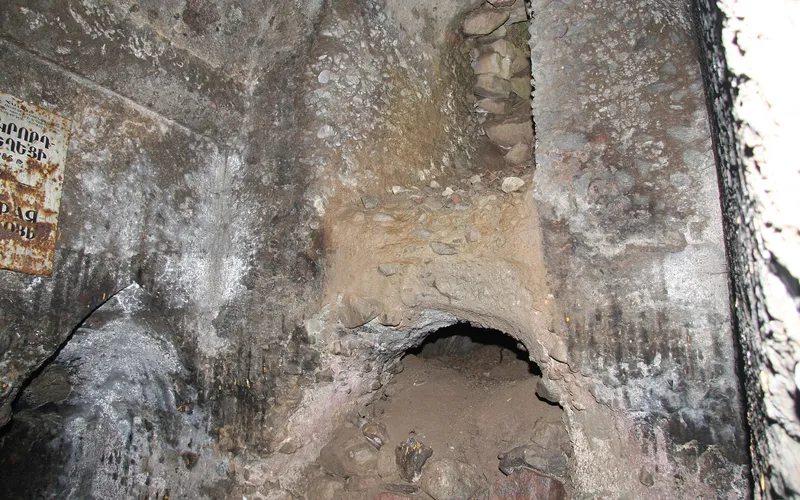
Այստեղ է սկսվում հայկական գինին, և ոչ փոխաբերաբար։ Արենի-1 քարայրում, համանուն գինեգործական գյուղի մոտ, հնագետները գտել են աշխարհի ամենահին գինետունը՝ հնձան, խմորման տակառ և մոտ վեց հազարամյա անոթներ։ Նույն քարայրում ընկած էր մոլորակի ամենահին կաշվե կոշիկը։ Այսօր Արենին տասնյակ գինետներ է լանջերին, իսկ «արենի» սորտը շշալցնում են ողջ հովտում. հոկտեմբերին գյուղը դղրդում է «Գինու տոնով»։
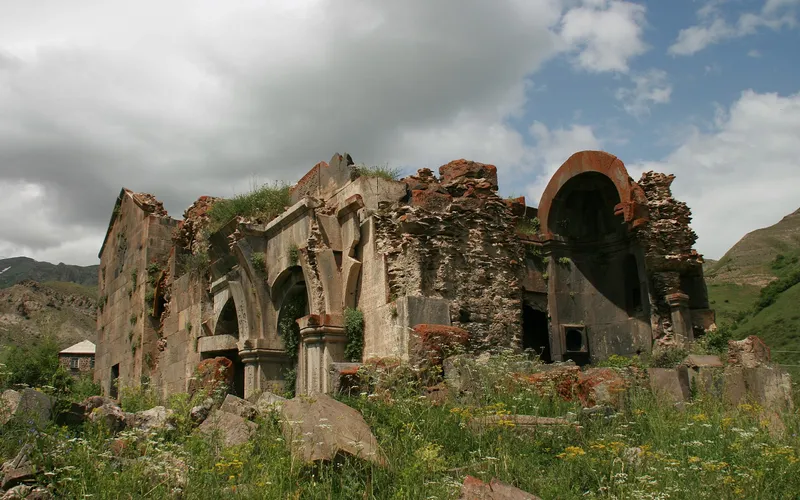
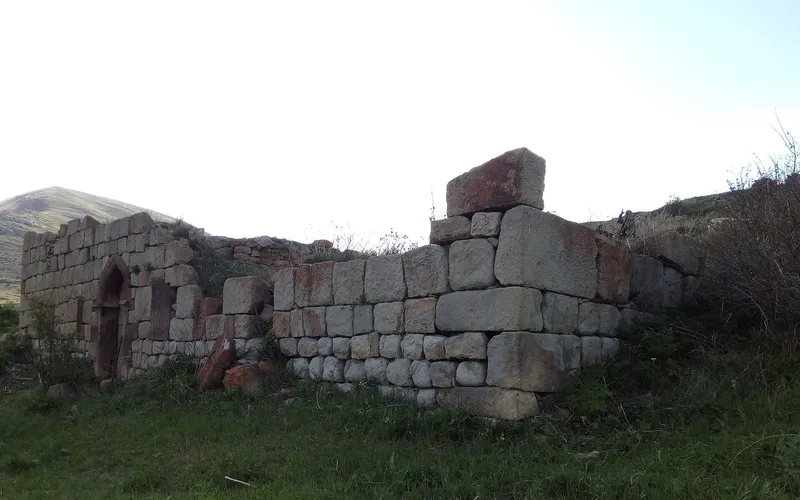
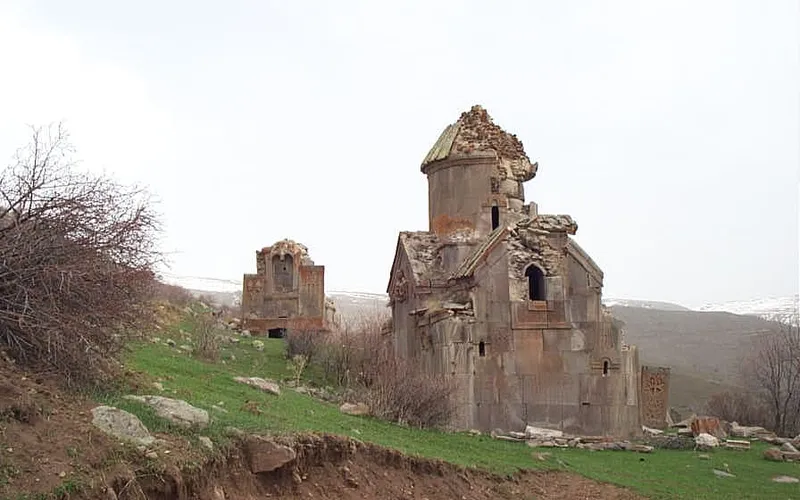
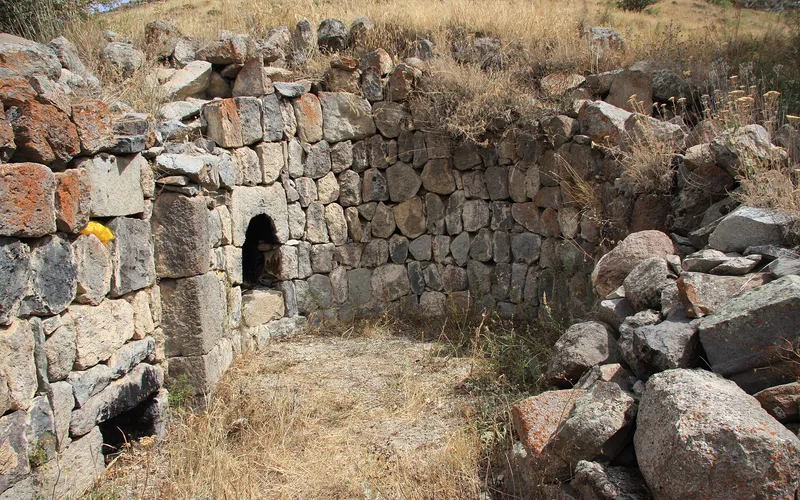
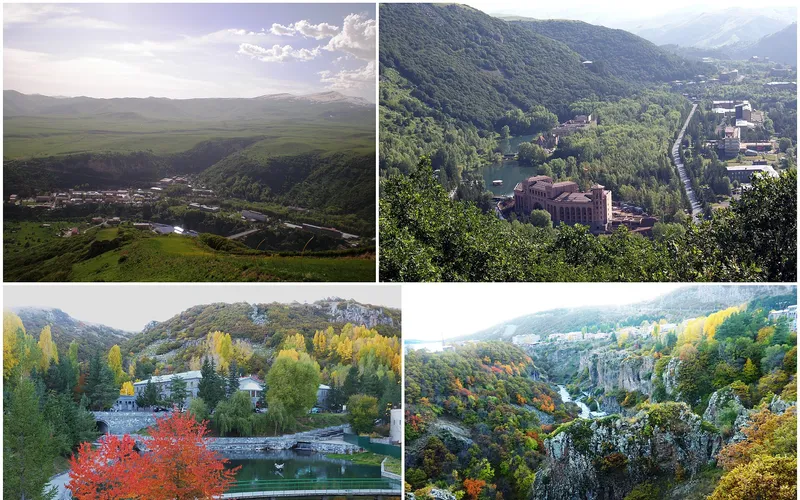
Իսկ վերևում, երկու կիլոմետր բարձրության վրա, բխում են Ջերմուկի տաք աղբյուրները՝ բալնեոլոգիական առողջարան՝ հանքային ջրով, որ տարածվել է ողջ երկրով։ Նրա վերևից թափվում է «Ջրահարս» երկկասկադ ջրվեժը, ձորի երկայնքով ձգվում են առողջարանները, իսկ ավելի հեռու լեռներում սպասում են Սմբատաբերդ ամրոցը, Ցախաց Քար ու Գնդեվանք վանքերը և Սելիմի (Օրբելյանների) քարավանատունը՝ Մետաքսի հին ճանապարհի քարե ապաստանը, որ անցել է XIV դարը։
«Այստեղ քարը կարմիր է գինու պես, և գինին հին է այս քարի պես։»
Այս էջում՝ մարզի բնակավայրերը (սեղմելիս՝ եղանակով), հուշարձանները, երթուղիներն ու տարեգրությունը։ Նորավանք, Արենի-1, Ջերմուկ, Սելիմի լեռնանցք՝ յուրաքանչյուրն իր ժամանակով ու համով։