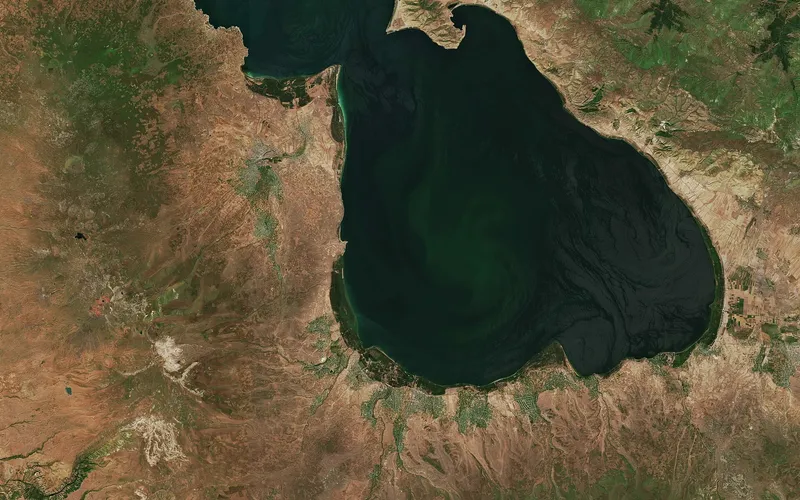
Գեղարքունիքն առաջին հերթին լիճ է։ Սևանը՝ Կովկասի ամենամեծ լիճը, ընկած է այստեղ գրեթե 1 900 մետր բարձրության վրա և զբաղեցնում է ողջ մարզի համարյա հինգերորդ մասը։ Պարզ օրը ջուրը հասնում է մինչև հենց հորիզոնը և փոխում գույնը՝ առավոտյան պողպատագույնից մինչև կեսօրվա խիտ կապույտը. տեղացիներն ասում են, որ Սևանն ունի յոթ երանգ, և յուրաքանչյուրը մնում է ոչ ավելի, քան մեկ ժամ։
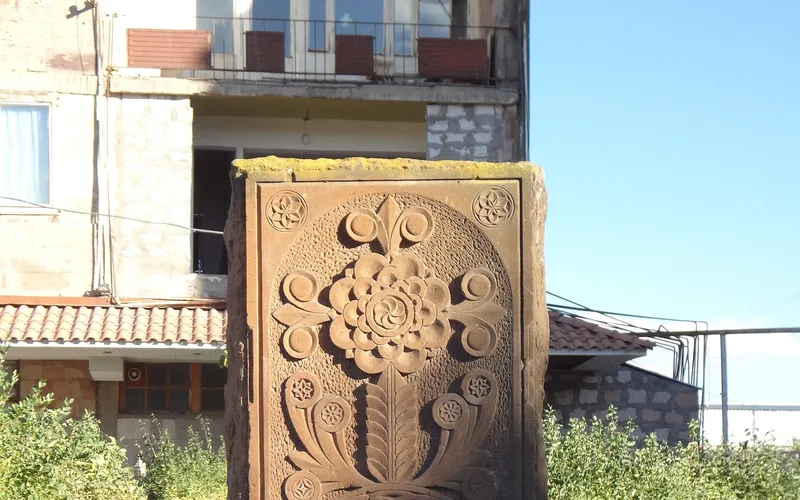
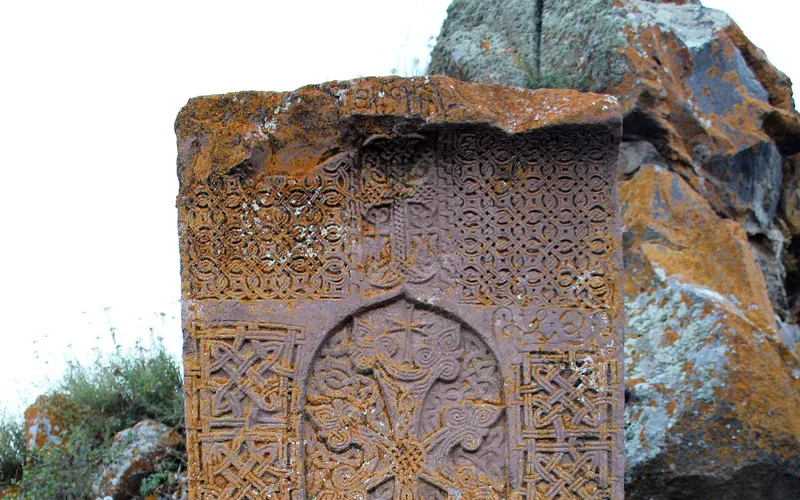
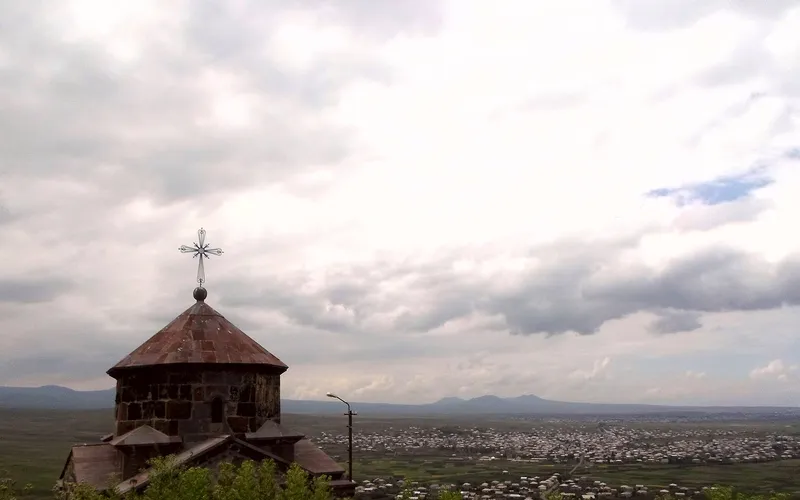
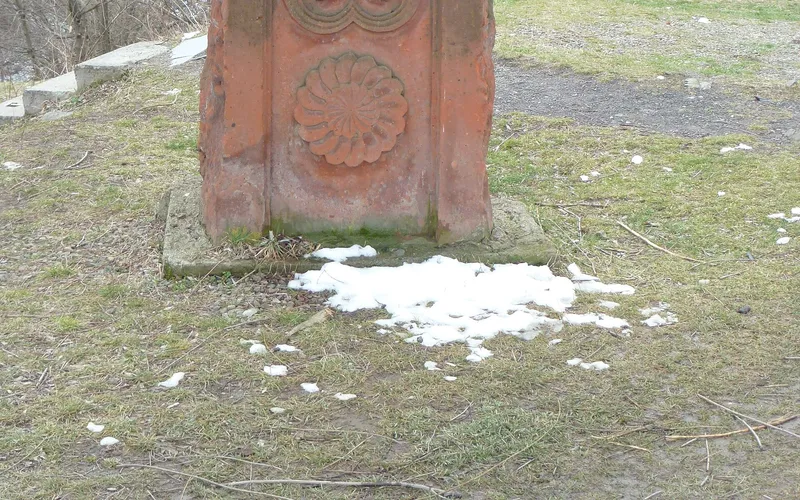
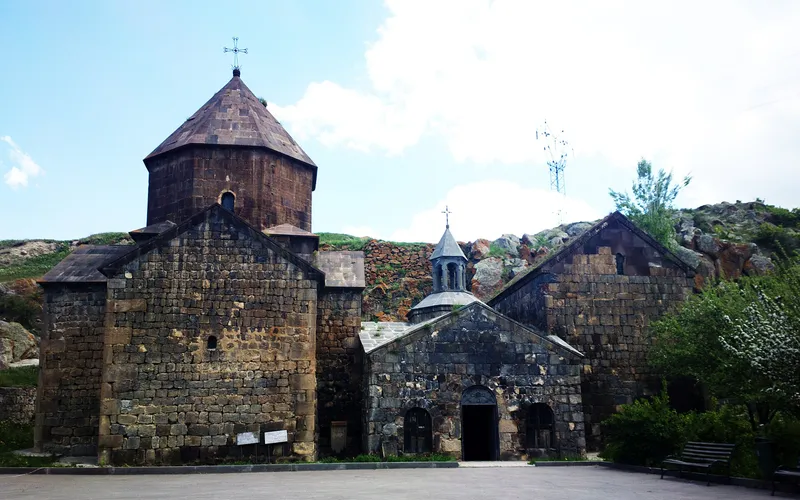
Երկրի կյանքը դարեր շարունակ ընթացել է ափի եզրով։ Ժայռոտ թերակղզու վրա IX դարից կանգնած է Սևանավանքը՝ երկու մուգ տուֆե տաճար, որոնց տանում է ջրի վրա երկար աստիճան։ Մի փոքր հարավ, Նորատուսում, փռված է աշխարհի ամենամեծ խաչքարերի դաշտը. գրեթե հազար փորագրված խաչ-քարեր, յուրաքանչյուրն իր զարդանախշով, շարվել են խոտի մեջ՝ որպես քարե անտառ։ Իսկ արևմտյան ափից վեր, Վայոց ձոր տանող ճանապարհին, թաքնված է Սելիմի քարավանատունը՝ վերջին ապաստանը նրանց համար, ովքեր Մեծ մետաքսի ճանապարհով անցնում էին լեռնանցքով։
Մարզի մայրաքաղաքը՝ Գավառը, կանգնած է Գավառագետ գետի հովտում՝ աղմկոտ ճանապարհներից հեռու։ Սևանը, Մարտունին, Վարդենիսը և լեռնային Ճամբարակը շարված են ափի ու նախալեռների վրա. նրանց գետերը՝ Գավառագետ, Մասրիկ, Արգիճի, գարնանը ձվադրման է մտնում սևանյան իշխանը՝ հանրահայտ ձուկը, իսկ ձկնորսների ուռկանները դեռ բերում են սիգ։ Ձմռանն ափը կարծրանում է քամու տակ, բայց հենց այստեղ՝ մեծ ջրի մոտ, ճանաչվում է իսկական հայկական տարածությունը։
«Սևանը Հայաստանի աչքն է՝ բացված դեպի երկինք։»
Այս էջում՝ մարզի բնակավայրերը (սեղմելիս՝ եղանակով), գլխավոր հուշարձանները, երթուղիներն ու տարեգրությունը։ Սևանավանք, Նորատուս, Հայրավանք՝ յուրաքանչյուրն իր ժամանակով ու իր բնավորությամբ մեծ ջրի մոտ։