Արարատը Հայկական հովտի սիրտն է՝ նրա ամենաառատ ու ամենաճանաչելի երկրամասը։ Հարավում, հենց Արաքս գետի մոտ, ցածր բլրի վրա կանգնած է Խոր Վիրապ վանքը, և հենց այստեղից է բացվում այն տեսարանը, որ ճանաչում է ողջ աշխարհը. խաղողի այգիների, կավաշեն գյուղերի, սահմանային գոտու վրա բարձրանում է Մեծ Արարատի երկգագաթ ձյունապատ վիթխարին։ Լեռը մնացել է սահմանի մյուս կողմում, Թուրքիայում, բայց նա դեռ նայում է Հայաստանին։
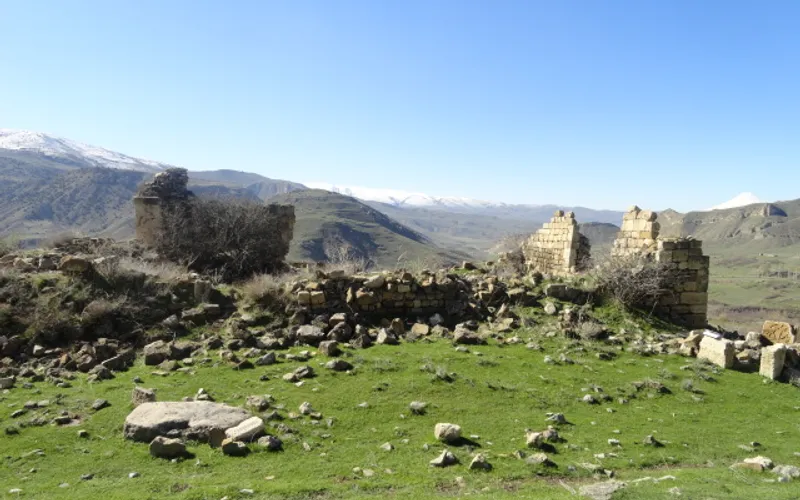
Խոր Վիրապն ունի իր ծանր հիշողությունը։ Նրա ստորգետնյա փոսում տասներեք տարի անցկացրեց Գրիգոր Լուսավորիչը, մինչ բուժեց Տրդատ արքային ու քրիստոնեություն մկրտեց Հայաստանը՝ պատմության մեջ առաջին քրիստոնյա երկիրը։ Այս քարե բանտ իջնելը նեղ երկաթյա սանդուղքով հնարավոր է նաև այսօր։ Իսկ կողքին, դաշտերի մեջ, գտնվում է Դվինը՝ հայ արքաների ու կաթողիկոսների հնագույն մայրաքաղաքը, այժմ բնակատեղի, որտեղ հնագետները շերտ առ շերտ կարդում են հազարամյակ։
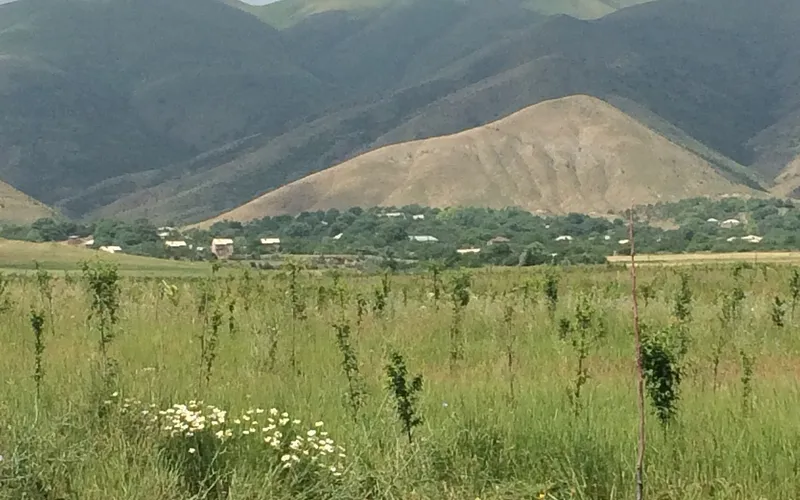
Բայց Արարատը միայն քար ու սրբավայր չէ։ Դա առաջին հերթին հովիտ է՝ հարթ, շոգ, առուներով կտրտված հող, որի վրա հասունանում են երկրի լավագույն խաղողը, ծիրանն ու նուռը։ Այստեղից է գալիս կոնյակի խաղողը, այստեղից՝ հենց այն ծիրանը, որ հայերը համարում են իրենց ազգային պտուղը։ Արևելքում հովիտը փոխվում է լեռներով. այնտեղ, Խոսրովի արգելոցի ձորերում, դեռ թափառում են բեզոարյան այծերն ու ընձառյուծը, իսկ օդը գիհու հոտ է փչում։
«Լեռը գետի մյուս կողմում է, բայց նրա վերևի երկինքը մերն է, և նրա ստվերն ընկնում է մեր այգիների վրա։»
Այս էջում՝ մարզի բնակավայրերը (սեղմելիս՝ եղանակով), գլխավոր հուշարձանները, երթուղիներն ու տարեգրությունը։ Խոր Վիրապ, Դվին, Խոսրովի անտառ՝ յուրաքանչյուրն իր ժամանակով ու բնավորությամբ։