Դիլիջան
Տավուշի անտառային առողջարանը, որը կոչում են հայկական Շվեյցարիա
Դիլիջանը Հայաստանի հյուսիս-արևելքում՝ Տավուշի մարզում գտնվող փոքր լեռնային քաղաք-առողջարան է՝ տեղակայված մոտ 1500 մետր բարձրության վրա՝ Աղստև գետի անտառապատ հովտում։ Փոքր Կովկասի փշատերև ու սաղարթավոր լանջերով շրջապատված այս քաղաքը վաղուց է արժանացել «հայկական Շվեյցարիա» մականվանը և մնում է երկրի գլխավոր կլիմայաբուժական ու հանքաջրային առողջարաններից մեկը։
Ինչ վայր է սա
Դիլիջանը Հայաստանի հյուսիս-արևելքում՝ Տավուշի մարզում գտնվող փոքր լեռնային քաղաք-առողջարան է՝ տեղակայված մոտ 1500 մետր բարձրության վրա՝ Աղստև գետի անտառապատ հովտում։ Փոքր Կովկասի փշատերև ու սաղարթավոր լանջերով շրջապատված այս քաղաքը վաղուց է արժանացել «հայկական Շվեյցարիա» մականվանը և մնում է երկրի գլխավոր կլիմայաբուժական ու հանքաջրային առողջարաններից մեկը։
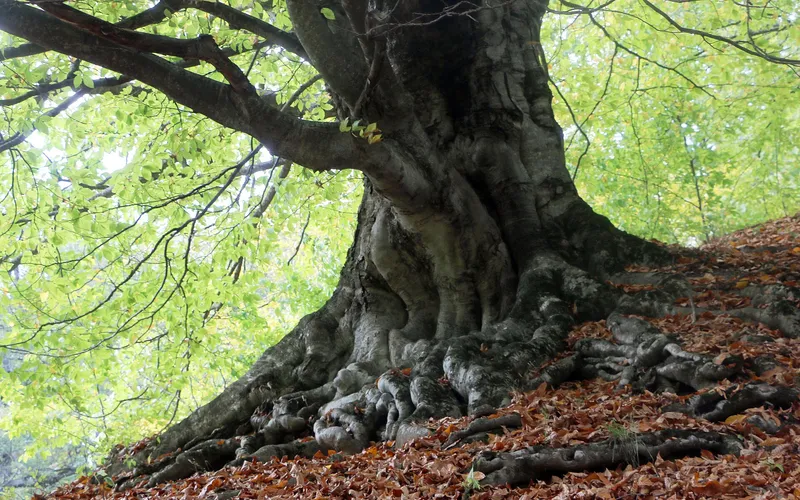
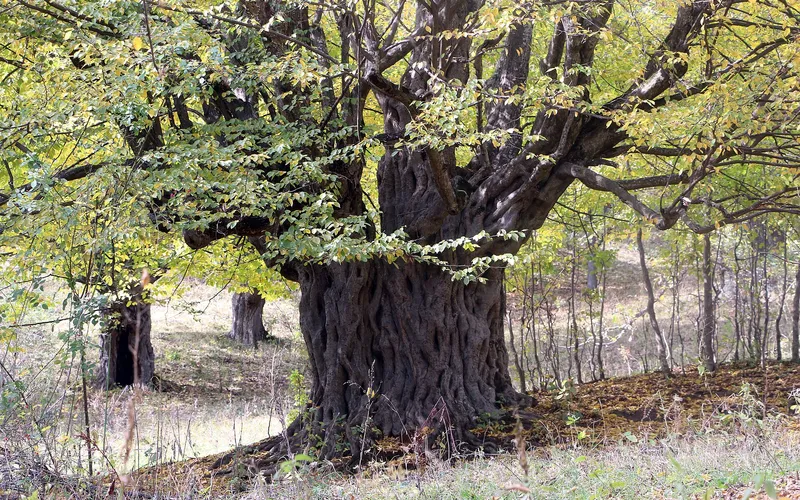
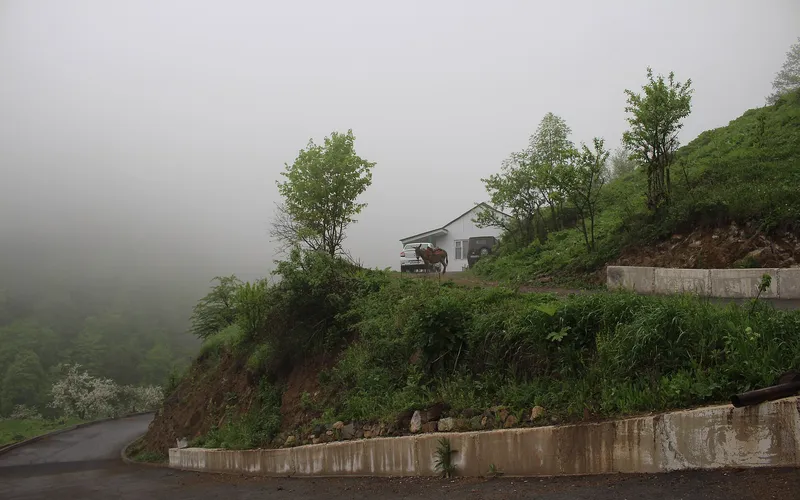
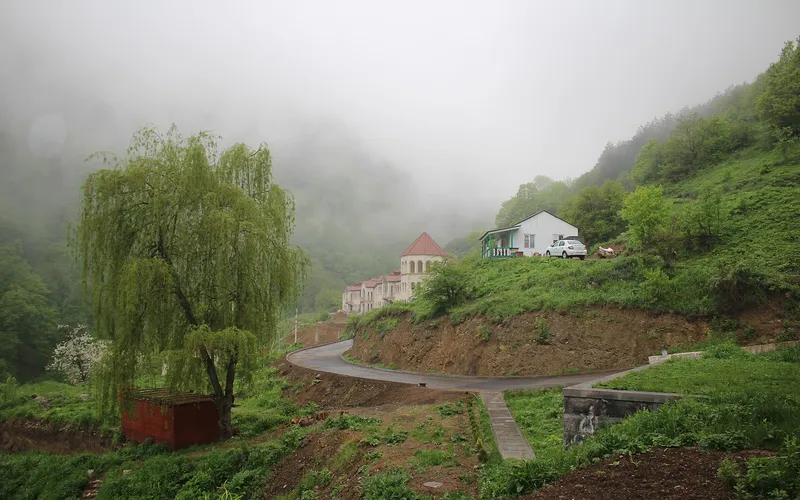
Դիլիջանը փռված է լեռնային գոգավոր հովտում, որտեղ քաղաքը բառացիորեն միաձուլվում է անտառի հետ. տները բարձրանում են լանջերով՝ սոճիների ու հաճարենիների արանքում, իսկ փողոցների ու անտառի սահմանը գրեթե աննկատ է։ Մոտ 1500 մետր բարձրությունը, մաքուր լեռնային օդը և առատ կանաչը որոշում են վայրի ողջ բնավորությունը։ Հովտով հոսում է Աղստև գետը, իսկ քաղաքն ամեն կողմից շրջապատված է Հայաստանի ամենախոշոր անտառային զանգվածներից մեկով։
Բնակավայրի մասին գրավոր հիշատակություններ կան դեռ XVII դարում՝ ֆրանսիացի ճանապարհորդ Ժան Շարդենի մոտ։ XIX դարի սկզբին երկրամասը Ռուսական կայսրությանն անցնելուց հետո Դիլիջանը սկսեց ձևավորվել իբրև ժամանակակից բնակավայր, իսկ XIX–XX դարերում վերածվեց հայտնի լեռնային առողջարանի, ուր էին գալիս Թիֆլիսի ունևոր հայ ընտանիքները։ Ավանի կարգավիճակ ստացավ 1938 թվականին, իսկ քաղաք դարձավ 1958 թվականին։ 1918 թվականին՝ Ղարաքիլիսայի մարտերի ժամանակ, Դիլիջանը ծառայել է որպես հայկական ուժերի թիկունքային հենակետերից մեկը։
Անվան ծագումը ստույգ հայտնի չէ և մեզ է հասել ավելի շատ ժողովրդական ավանդության տեսքով։ Ըստ ավանդության՝ քաղաքն անվանվել է Դիլի անունով մի երիտասարդի պատվին, որը կորել է շրջակա անտառներում. հարազատները նրան փնտրել են՝ կանչելով «Դիլի ջան, Դիլի ջան», ուր «ջան»-ը հայերեն նշանակում է «սիրելի», և այդ անունն ի վերջո ամրացել է հովտի վրա։
Դիլիջանի գլխավոր փառքը նրա բնությունն է ու բուժիչ կլիման։ Քաղաքը շրջապատում է Դիլիջանի ազգային պարկը, որը պահպանում է տասնյակ հազարավոր հեկտար լեռնային անտառներ, աղբյուրներ ու լճեր։ Այստեղից են սկսվում քայլարշավի ու հեծանվային երթուղիները, իսկ զբոսանքների ամենասիրված նպատակակետերից է Պարզ լիճը՝ քաղաքից վեր՝ անտառում փռված հանդարտ փոքրիկ լիճը։ Դիլիջանը վաղուց հայտնի է նաև իր հանքային ջրով. դրա շշալցման գործարանն աշխատում է այստեղ 1947 թվականից։
Քաղաքի սահմաններում պահպանվել է հին թաղամասը՝ Շարամբեյան փողոցը, ուր վերականգնված են պատշգամբներով ավանդական տներ, արհեստանոցներ ու արհեստավորների խանութներ. դա բացօթյա կենդանի թանգարան է և տեղական արհեստների ցուցափեղկ։ Այստեղ են գործում նաև Ժողովրդական արվեստի թանգարանը, երկրաբանական թանգարանը և 2011 թվականին բացված նկարների պատկերասրահը։ Նախկին առողջարանային կյանքի հուշարձան է մնում XX դարասկզբի բացօթյա ռոտոնդա-թատրոնը՝ կառուցված մոտ 1900 թվականին։
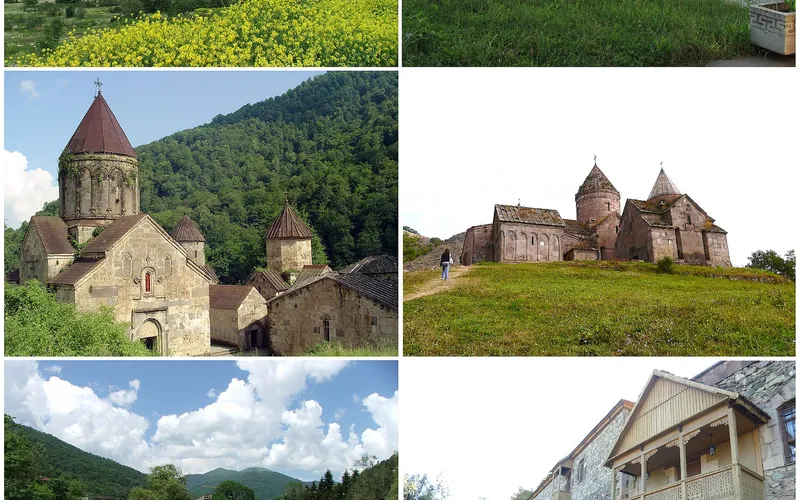
Գլխավոր պատմական սրբավայրերը գտնվում են Դիլիջանը շրջապատող լեռներում։ Քաղաքին շատ մոտ՝ խիտ անտառի մեջ, կանգնած է X–XIII դարերի Հաղարծին վանքը՝ իր եկեղեցիներով ու գավիթով, որը վերակառուցվել է Զաքարյան իշխանների օրոք։ Քիչ հեռու են Գոշավանքը՝ կապված միջնադարյան գիտնական ու առակագիր Մխիթար Գոշի անվան հետ, ինչպես նաև Ջուխտակ ու Մատոսավանք փոքրիկ անտառային վանքերը։ Այս վանքերը հեշտ է միավորել Տավուշի անտառներով մեկ ընդհանուր երթուղու մեջ։
Այսօր քաղաքի տնտեսությունը հենվում է զբոսաշրջության, հանքային ջրի արտադրության, կաթնատնտեսության ու ծառայությունների ոլորտի վրա։ Վերջին տասնամյակներում Դիլիջանը զարգանում է նաև իբրև կրթական կենտրոն. 2014 թվականին այստեղ բացվեց Միացյալ աշխարհի քոլեջների ցանցին պատկանող միջազգային քոլեջ, իսկ ավելի վաղ՝ Կենտրոնական բանկի ուսումնական կենտրոնը։ Հանդարտ, կանաչ ու անշտապ Դիլիջանը մնում է մի վայր, ուր գալիս են լեռնային օդի, անտառային զբոսանքների ու մերձակա հին վանքերի համար։
Քաղաքը Հայաստանին տվել է նաև նշանավոր մարդկանց. այստեղից է, մասնավորապես, կինոօպերատոր Ռուդոլֆ Վատինյանը (1941–2021)։
«Այստեղ քաղաքն ու անտառը միասին են ապրում։» — Վասիլի Գրոսման, գրող
Դիլիջանն առաջին հերթին տրամադրության առողջարան է՝ անտառ, լեռնային օդ, հանքային աղբյուրներ և քաղաքից մի քանի րոպե հեռավորության վրա ընկած հին վանքեր։
Վայրեր մոտակայքում
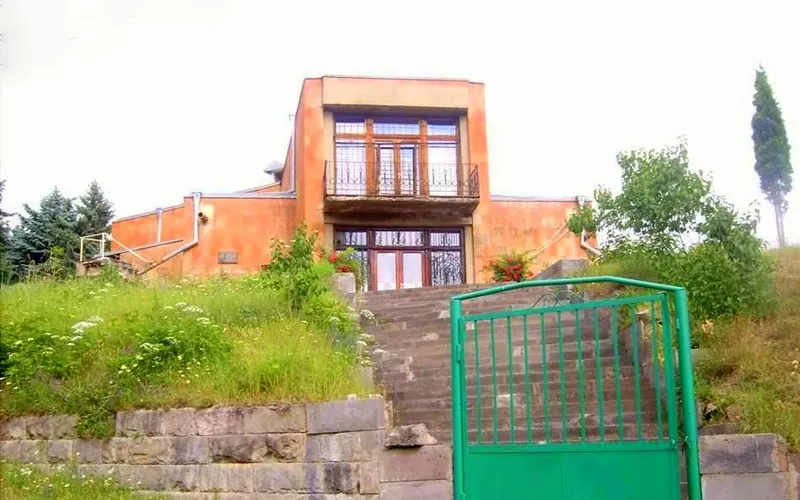
Բերդ քաղաքի պատմության և կենցաղի թանգարան
Երկրագիտական թանգարան Բերդ քաղաքում, որ մեկ հարկի տակ է հավաքել Տավուշի այս անկյունի պատմությունն ու կենցաղը. փոքր, սրտաբաց և իր համայնքի մեջ արմատացած։
Բացել →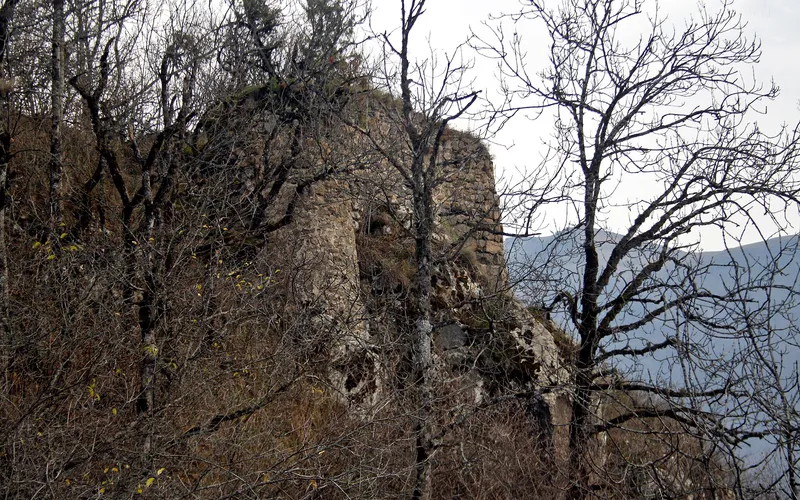
«Բերդաքար» ամրոց
Բերդաքարի հողմահարված պատերը պահպանում են Տավուշի բլրի գագաթը՝ Հայաստանի պահպանվող հուշարձաններից մեկը։
Բացել →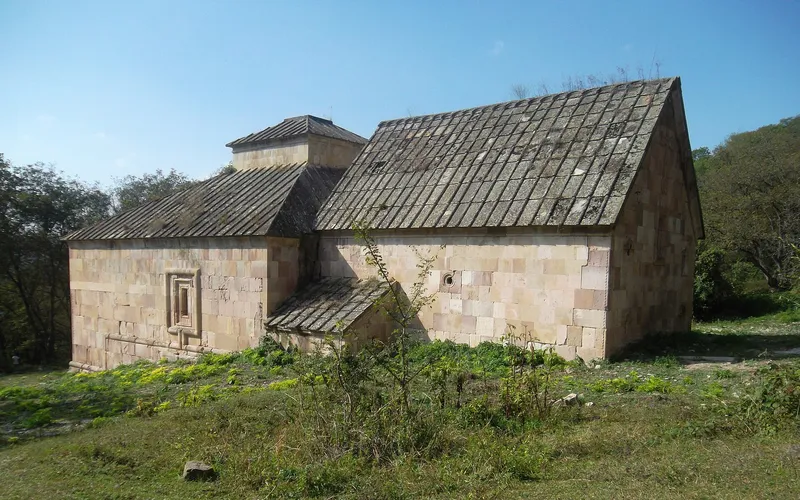
Մշկավանք
Պահպանվող վանք-հուշարձան Տավուշի անտառապատ հյուսիսում, որտեղ մաշված քարը երկար ու հանդարտ պատմություն է պատմում։
Բացել →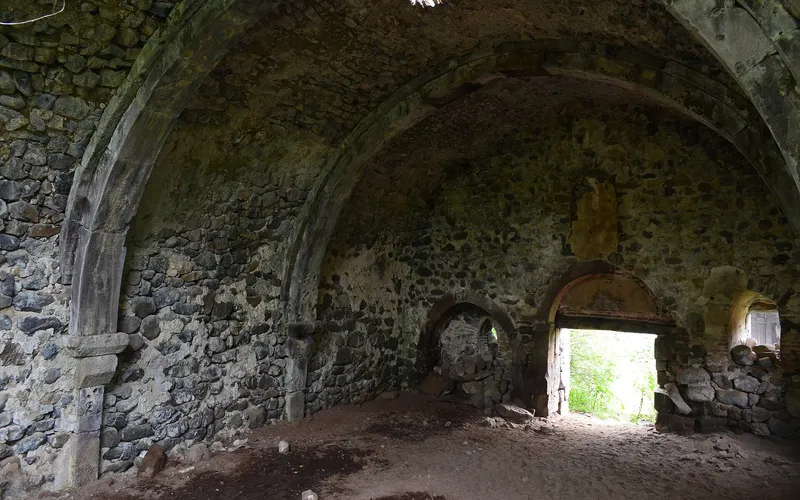
Կիրանց վանքի սեղանատուն
Աղյուսաշեն Կիրանց վանքի սեղանատունը՝ Տավուշի անտառների խորքում։
Բացել →Կանխատեսում Դիլիջան-ի համար
Հիմա, այսօր, վաղը, 5/7/10/14 օրով և ամիս առաջ: