Բերդաշեն
Բարձրադիր գյուղ Արփի լճի ափին
Բերդաշենը գյուղ է Հայաստանի Շիրակի մարզում, Ամասիայի համայնքի կազմում, Գյումրիից մոտ 38 կմ հյուսիս-արևմուտք։ Այն գտնվում է ծովի մակարդակից 2020 մ բարձրության վրա՝ Ախուրյան գետի ափին, Արփի լճից ոչ հեռու։ Շիրակի բարձրավանդակի ծայրամասում տեղակայված Բերդաշենը կրում է Հայաստանի հյուսիս-արևմտյան սահմանամերձ գոտու բնորոշ դիմագիծը՝ ձյունառատ ու երկար ձմեռներ, կարճ ու կանաչ ամառ և ընդարձակ լեռնային արոտավայրեր։
Ինչ վայր է սա
Բերդաշենը գյուղ է Հայաստանի Շիրակի մարզում, Ամասիայի համայնքի կազմում, Գյումրիից մոտ 38 կմ հյուսիս-արևմուտք։ Այն գտնվում է ծովի մակարդակից 2020 մ բարձրության վրա՝ Ախուրյան գետի ափին, Արփի լճից ոչ հեռու։ Շիրակի բարձրավանդակի ծայրամասում տեղակայված Բերդաշենը կրում է Հայաստանի հյուսիս-արևմտյան սահմանամերձ գոտու բնորոշ դիմագիծը՝ ձյունառատ ու երկար ձմեռներ, կարճ ու կանաչ ամառ և ընդարձակ լեռնային արոտավայրեր։
Բերդաշեն անունը հայերենում թափանցիկ է. «բերդ» նշանակում է ամրոց, իսկ «-աշեն» վերջածանցը բնորոշում է բնակավայր կամ կառուցված տեղ։ Անվանումը մատնանշում է ամրոցին առնչվող բնակատեղի, ինչը բնորոշ է Շիրակի բարձրավանդակին, ուր դարեր շարունակ տարբեր տիրակալներ թողել են ռազմական ամրություններ։ Գյուղի նախկին անունը եղել է Թափաքյոյ. ներկայիս Բերդաշեն ձևը պաշտոնապես հաստատվել է 1991 թ. օգոստոսի 8-ին, Հայաստանի անկախության շրջանում, երբ բազմաթիվ բնակավայրերի վերադարձվեցին իրենց պատմական հայկական անունները։
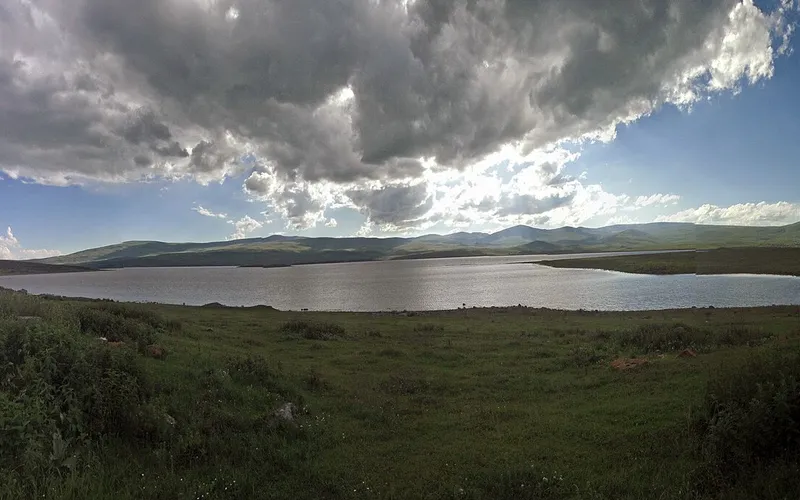
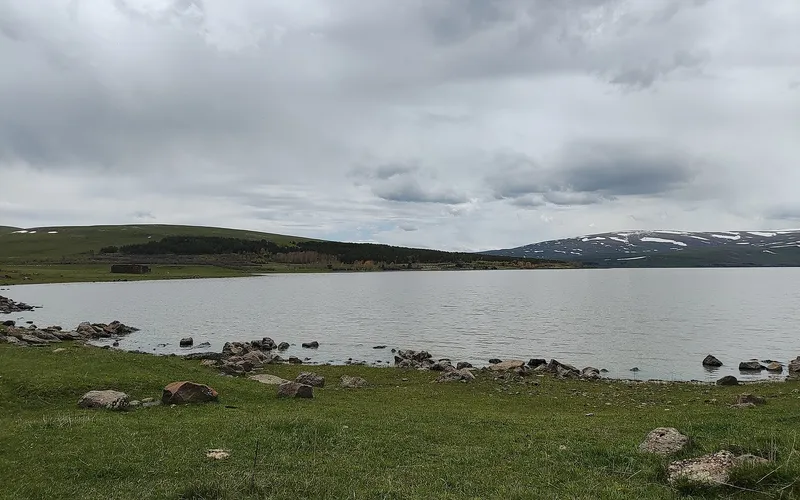
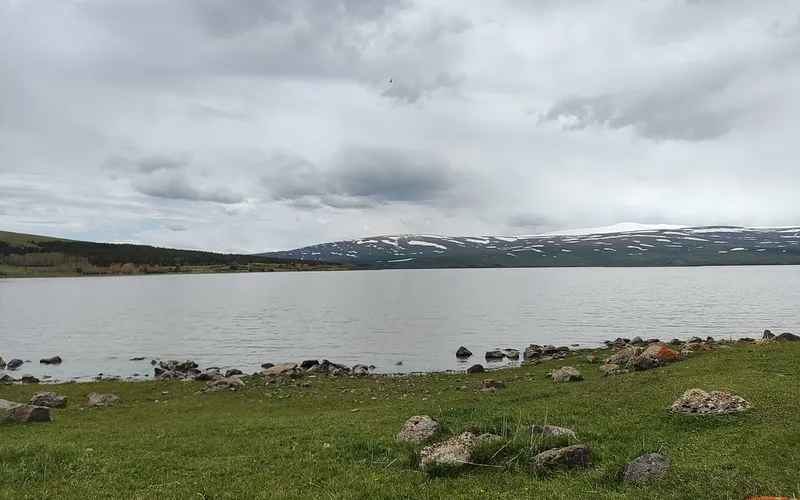
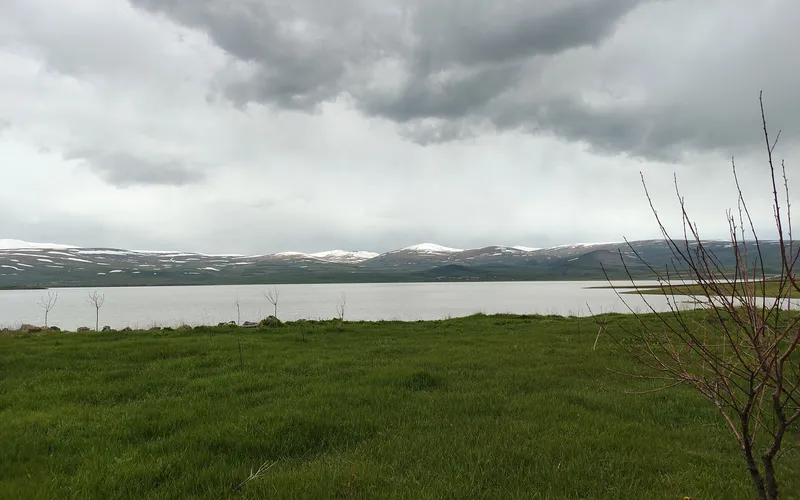
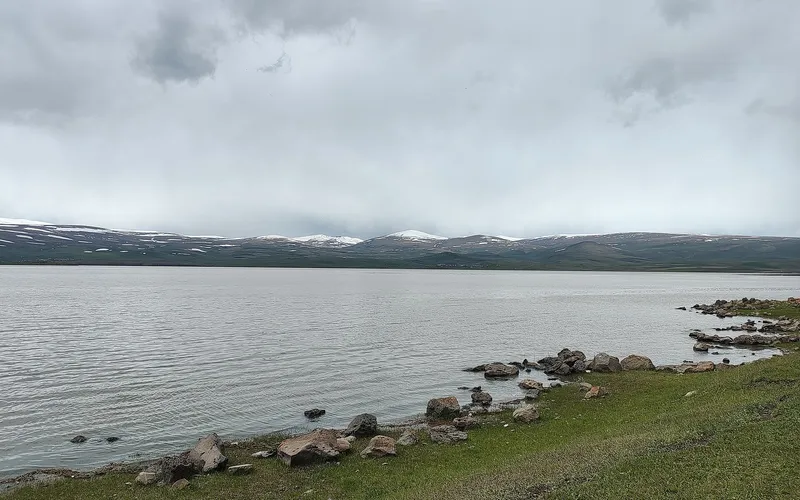
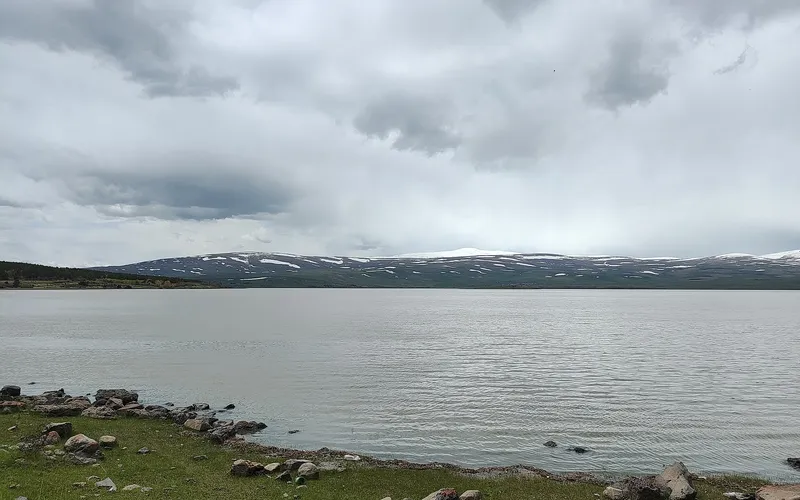
2020 մ բարձրությամբ Բերդաշենը Շիրակի մարզի ամենաբարձրադիր գյուղերից է։ Կլիման խիստ է. ձմռանը առատ ձյունը կարող է ամիսներով կտրել գյուղն ու ճանապարհները, մինչդեռ կարճ ամառը շրջակա արոտավայրերը ներկում է վառ կանաչով։ Մոտակայքով հոսում է Ախուրյան գետը՝ Շիրակի մարզի գլխավոր ջրային զարկերակներից մեկը։ Է՛լ ավելի մոտ է Արփի լիճը՝ ծովի մակարդակից 2000 մ-ից բարձր տեղակայված մակերեսային բնական ջրամբար, որը շրջապատված է ճահճուտ մարգագետիններով։ 2009 թ. լիճն ու նրա շրջակայքը հռչակվել են Արփի լիճ ազգային պարկ՝ ապահովելով չվող ջրլող թռչունների կարևոր հանգրվանի ու բնադրավայրի պաշտպանությունը։
Բերդաշենի տնտեսությունն ավանդաբար հենվել է անասնապահության և արոտային կենդանապահության վրա՝ բարձրադիր տեղանքին ու կլիմային ամենահարմար գործունեության։ Ամառային ընդարձակ արոտավայրերը գյուղի շրջակայքում կերակրում են խոշոր եղջերավոր անասուններ և ոչխարներ՝ շարունակելով սերնդեսերունդ պահպանված ապրելակերպը։ Բարձրությունն ու կարճ վեգետացիոն շրջանը սահմանափակում են հացահատիկի լայն մշակությունը, սակայն գործում է նաև կերային կուլտուրաների մշակում, իսկ ընտանեկան բանջարանոցներն ու կաթնամթերքի, այդ թվում՝ պանրի արտադրությունը գյուղական կենցաղի կարևոր մասն են։
Բերդաշենի բնակչության պատմությունն արտացոլում է լեռնային Հայաստանի գյուղական բնակչության նվազման ընդհանուր միտումը։ Խորհրդային շրջանում՝ 1979 թ., գյուղն ունեցել է 871 բնակիչ՝ առավելագույն գրանցված ցուցանիշը։ 2001 թ. այդ թիվն իջել է 218-ի, իսկ 2011 թ. մարդահամարը գրանցել է 203 բնակիչ. 2018 թ. գնահատմամբ՝ մոտ 215 մարդ։ Բերդաշենը հարևան Պաղակն գյուղի հետ կազմել է Բերդաշեն համայնքը, որն այսօր մտնում է ավելի մեծ Ամասիայի համայնքի մեջ։ Գյուղի վարչական տարածքը կազմում է մոտ 1,7 քառ. կմ։
Արփի լիճ ազգային պարկ այցելողները հաճախ իրենց երթուղում ընդգրկում են նաև Բերդաշենի շրջակայքը։ Գարնանն ու աշնանը այստեղ կարելի է դիտել չվող թռչուններ՝ կարապներ, բադեր և ճահճակողմ թռչուններ, որոնք սեզոնային հանգրվան են գտնում այս բարձրավանդակում։ Գյուղի մերձակայքում պահպանվել են հին եկեղեցու և կիկլոպյան ամրոցի ավերակներ՝ վկայելով տարածքի վաղ պատմության մասին։ Գյումրիից դեպի Ամասիա տանող ճանապարհը հնարավորություն է տալիս Արփի լճի այցը զուգակցել Շիրակի միջնադարյան ժառանգության հուշարձանների հետ, այդ թվում՝ արևելքում գտնվող Մարմաշեն վանքի ու Անիպեմզայի բարձրավանդակի ավերակների հետ։
Բերդաշենը Շիրակի մարզի հանգիստ, բարձրադիր գյուղ է, որի դիմագիծը սերտորեն կապված է հյուսիս-արևմտյան Հայաստանի խստաշունչ բարձրավանդակի հետ։ Արփի լիճ ազգային պարկի հարևանությունն ու Ախուրյան գետի մերձակայությունը, զուգորդված գյուղական անբռնազբոս նկարագրի հետ, այն դարձնում են Շիրակի խճանկարի համեստ, բայց ճշմարիտ մի մասնիկը։
Վայրեր մոտակայքում
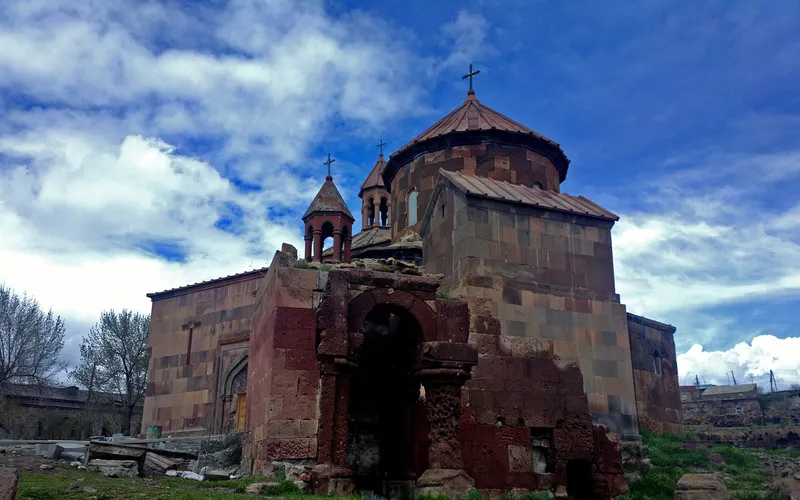
Սուրբ Գրիգոր եկեղեցի Հառիճավանքում
Սուրբ Գրիգոր եկեղեցին Հառիճավանքում՝ Շիրակի մեծ վանքերից մեկում, որտեղ փորագիր տուֆը հանդիպում է լեռնային լռությանը։ Հայաստանի հյուսիսով ճանապարհորդության գոհար։
Բացել →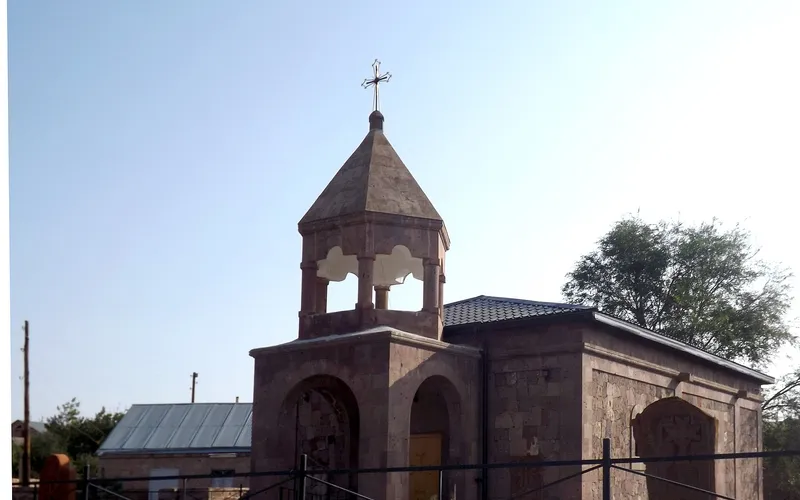
Եկեղեցի Վարդաքարում
Քարե եկեղեցի շիրակյան Վարդաքար գյուղում՝ պահպանվող որպես Հայաստանի մշակութային հուշարձան։ Հանգիստ, քարտեզից դուրս ընկած կանգառ լեռնաշխարհում։
Բացել →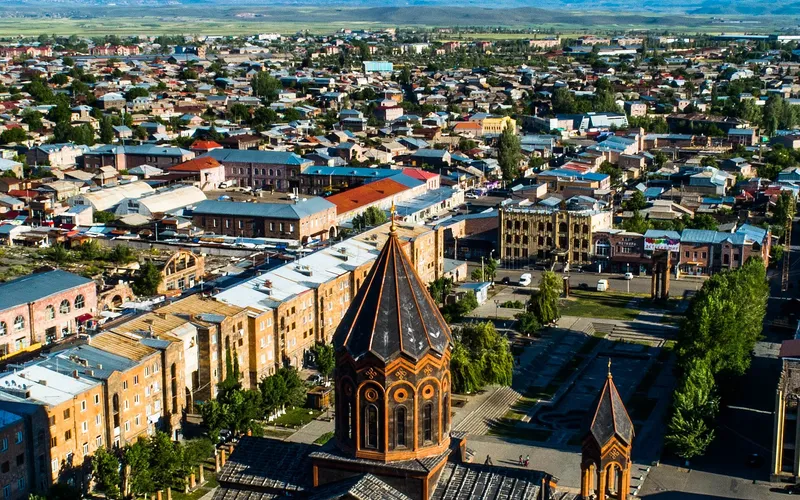
Սուրբ Ամենափրկիչ եկեղեցի, Գյումրի
Վեհաշուք 19-րդ դարի հայկական եկեղեցի Գյումրու կենտրոնական հրապարակում՝ վերականգնված 1988-ի երկրաշարժից հետո և քաղաքի խորհրդանիշ դարձած։
Բացել →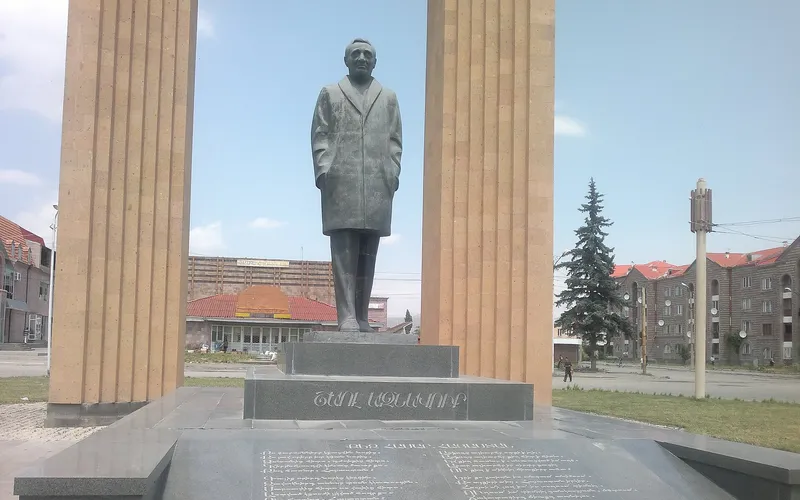
Շառլ Ազնավուրի արձան
Արձան Շիրակում՝ նվիրված Շառլ Ազնավուրին՝ ֆրանս-հայ ձայնին, որ սիրեց ողջ աշխարհը:
Բացել →Կանխատեսում Բերդաշեն-ի համար
Հիմա, այսօր, վաղը, 5/7/10/14 օրով և ամիս առաջ: