Ազատան
Մեծ գյուղ Շիրակի սարահարթում՝ Գյումրիից հարավ
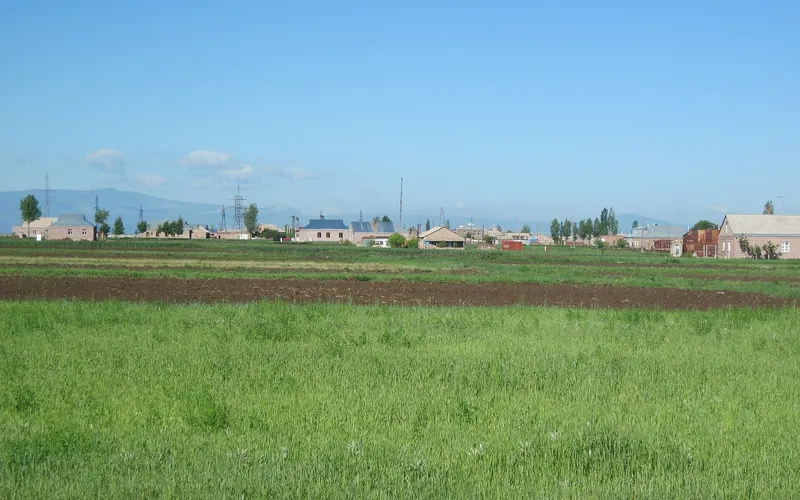
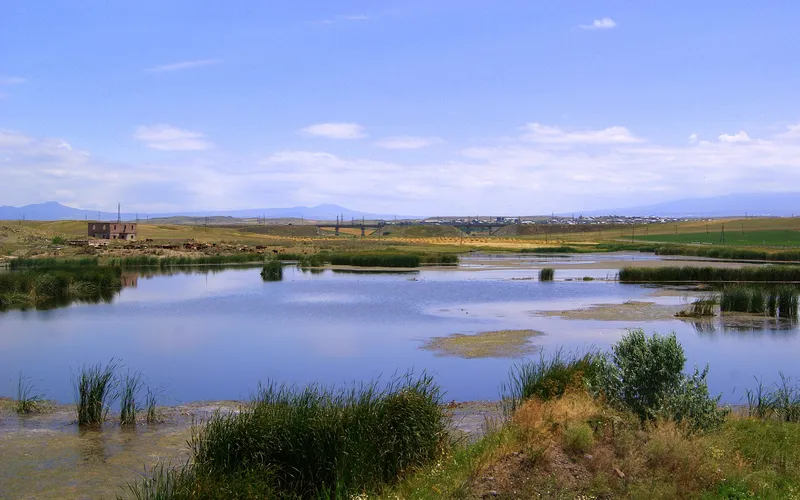
Ազատանը մեծ գյուղ է Հայաստանի հյուսիս-արևմուտքում՝ Շիրակի մարզում, որը մտնում է Ախուրյանի համայնքի մեջ։ Այն գտնվում է մարզկենտրոն Գյումրիից մոտ 8 կիլոմետր հարավ և Երևանից շուրջ 110 կիլոմետր հյուսիս-արևմուտք՝ Շիրակի ընդարձակ սարահարթում, ծովի մակարդակից մոտ 1490 մետր բարձրության վրա։ Բնակչության թվով Ազատանը մարզի ամենախոշոր գյուղերից մեկն է. 2011 թվականի մարդահամարի տվյալներով այստեղ ապրում էր 4838 մարդ։
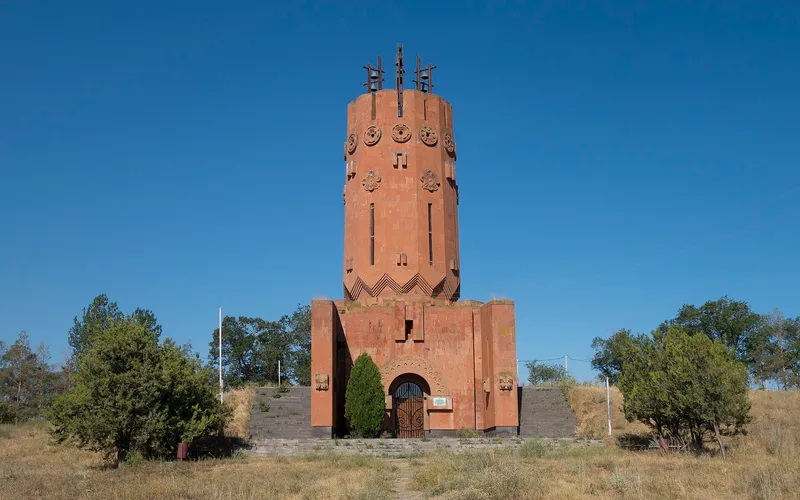
Ինչ վայր է սա
Ազատանը մեծ գյուղ է Հայաստանի հյուսիս-արևմուտքում՝ Շիրակի մարզում, որը մտնում է Ախուրյանի համայնքի մեջ։ Այն գտնվում է մարզկենտրոն Գյումրիից մոտ 8 կիլոմետր հարավ և Երևանից շուրջ 110 կիլոմետր հյուսիս-արևմուտք՝ Շիրակի ընդարձակ սարահարթում, ծովի մակարդակից մոտ 1490 մետր բարձրության վրա։ Բնակչության թվով Ազատանը մարզի ամենախոշոր գյուղերից մեկն է. 2011 թվականի մարդահամարի տվյալներով այստեղ ապրում էր 4838 մարդ։
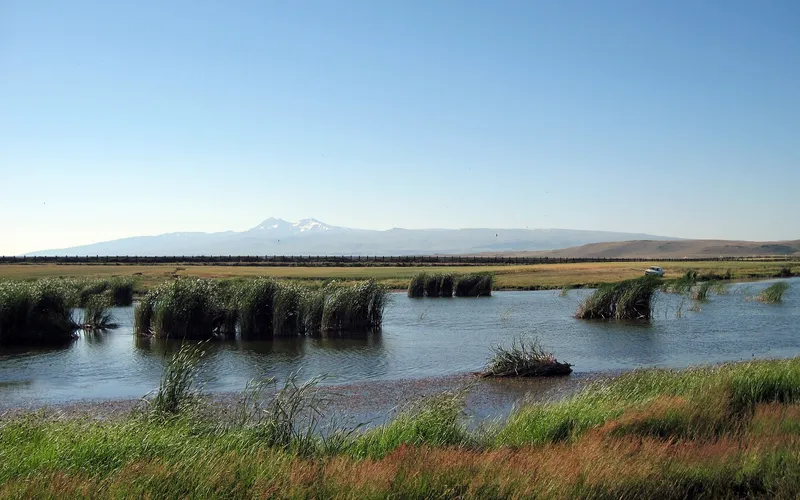
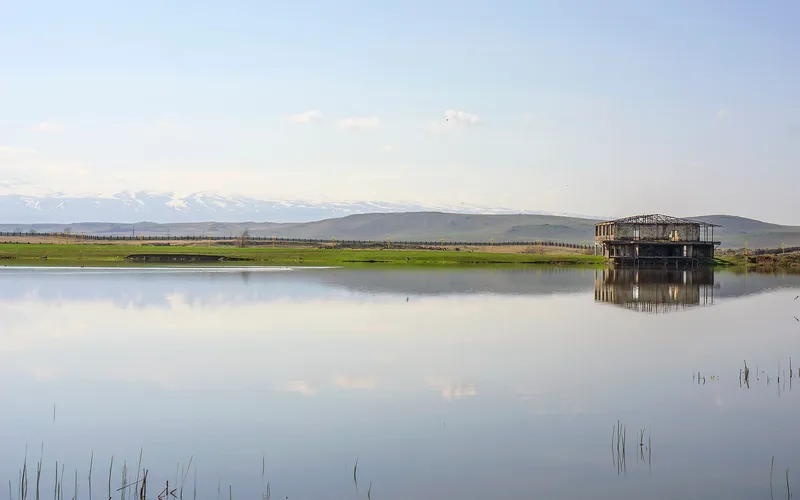
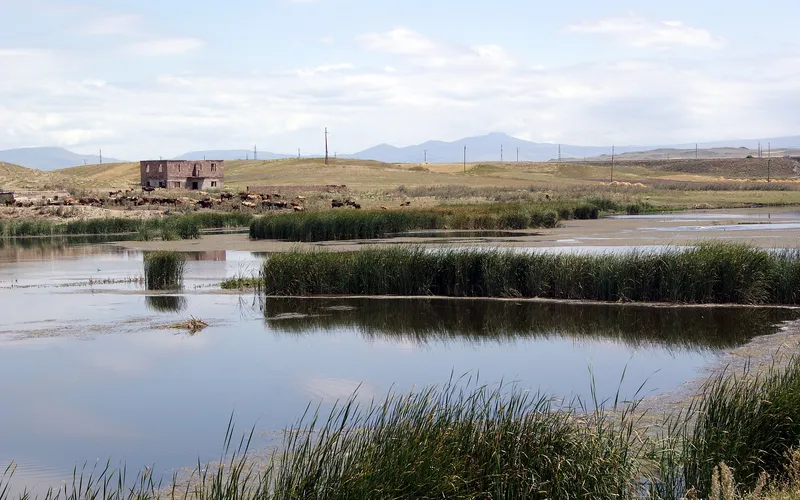
Գյուղը փռված է բաց, բարձրադիր դաշտավայրում, որը բնորոշ է Շիրակին. սա անտառազուրկ սարահարթ է՝ շրջապատված լեռնաշղթաներով և բացված քամիներին։ Մոտ 1490 մետր բարձրությունը պայմանավորում է խստաշունչ կլիման՝ եղանակների կտրուկ փոփոխությամբ. երկար ու ցրտաշունչ ձմեռ՝ կայուն ձյան ծածկույթով, և կարճ ու տաք ամառ։ Տարեկան տեղումները չափավոր են, ինչը բնորոշ է Հայկական լեռնաշխարհի այս հատվածին, իսկ եղանակների միջև ջերմաստիճանի տատանումները մեծ են։
Գյումրիի մերձավորությունը՝ երկրի երկրորդ քաղաքի և Շիրակի պատմական կենտրոնի, մեծապես որոշում է Ազատանի կյանքը։ Գյուղը մարզկենտրոնին կապված է կարճ ճանապարհով, և բնակիչներից շատերը առօրյա գործերում, ուսման ու աշխատանքում հակվում են դեպի քաղաք՝ պահպանելով, սակայն, գյուղական կենցաղը։ Վարչականորեն Ազատանը պատկանում է խոշորացված Ախուրյանի համայնքին, որը միավորում է Ախուրյան ավանի շուրջ մի քանի բնակավայր։
Ազատանի բնակչությունը XX դարի ընթացքում զգալի էր և նկատելիորեն փոփոխվում էր։ Եթե XIX դարի վերջին այստեղ բնակվում էր մոտ երեքուկես հազար մարդ, ապա 1989 թվականին թիվը հասավ իր գագաթնակետին՝ ավելի քան հինգուկես հազար բնակիչ։ Խորհրդային Միության փլուզումից հետո, ինչպես Շիրակի շատ գյուղերում, բնակչությունը մարդկանց արտահոսքի պատճառով աստիճանաբար նվազեց և 2011 թվականի մարդահամարին կազմեց 4838 մարդ։ Այնուամենայնիվ Ազատանը մնում է մարզի ամենախոշոր ու բազմամարդ գյուղերից մեկը։
Ազատանի տնտեսական հիմքը գյուղատնտեսությունն է։ Բնակիչներն ավանդաբար զբաղվում են երկրագործությամբ և անասնապահությամբ. սարահարթի բերրի, սակայն զով հողերում մշակում են հացահատիկ ու կերային բույսեր, կարտոֆիլ և ցրտադիմացկուն այլ կուլտուրաներ, իսկ շրջակա մարգագետիններում պահում խոշոր եղջերավոր անասուն։ Դաշտավարության և անասնապահության նման զուգակցումը բնորոշ է Շիրակի բարձրադիր գյուղերին, որտեղ կարճ ամառը թելադրում է անպահանջ կուլտուրաների ընտրությունը։
Ազատանի մանրամասն փաստագրված պատմությունից քիչ բան է պահպանվել, և նրա հիմնադրման ստույգ թվականի մասին հավաստի տեղեկություններ քիչ կան։ Շիրակի դաշտավայրի գյուղերի մեծ մասի պես՝ այն ձևավորվել է երկրագործական համայնքի և եկեղեցական ծխի շուրջ, իսկ նրա ճակատագիրն արտացոլում է երկրամասի ընդհանուր պատմությունը՝ վերաբնակեցումներով, խորհրդային տասնամյակների աճով և բախտորոշ տարիների փորձություններով։ Անվանումն ինքնին կրում է «ազատ» արմատը, ինչը նրան մերձ է դարձնում այս շարքի հայկական այլ տեղանունների։
Ճանապարհորդի համար Ազատանը հետաքրքիր է առաջին հերթին որպես հարմար կետ՝ մեծ քաղաքի կողքին զգալու Շիրակի սարահարթի կյանքն ու բնապատկերը։ Այստեղից հեշտ է հասնել Գյումրի՝ իր ճարտարապետական հարուստ ժառանգությամբ ու թանգարաններով, ինչպես նաև Ախուրյանի համայնքի այլ գյուղեր և Հայաստանի սահմանամերձ հյուսիս-արևմուտքի ընդարձակ տարածքներ։ Այս երկրամաս եկողներին սպասում են լեռնաշխարհի լայն հորիզոնները, մաքուր լեռնային օդը և գյուղական դանդաղ ռիթմը։
Ազատանը զբոսաշրջային կենտրոն չէ, այլ իսկական շիրակյան գյուղ՝ հանգիստ, աշխատավոր և սերտորեն կապված մերձակա Գյումրիի ու բարձր սարահարթի հողի հետ։
Վայրեր մոտակայքում
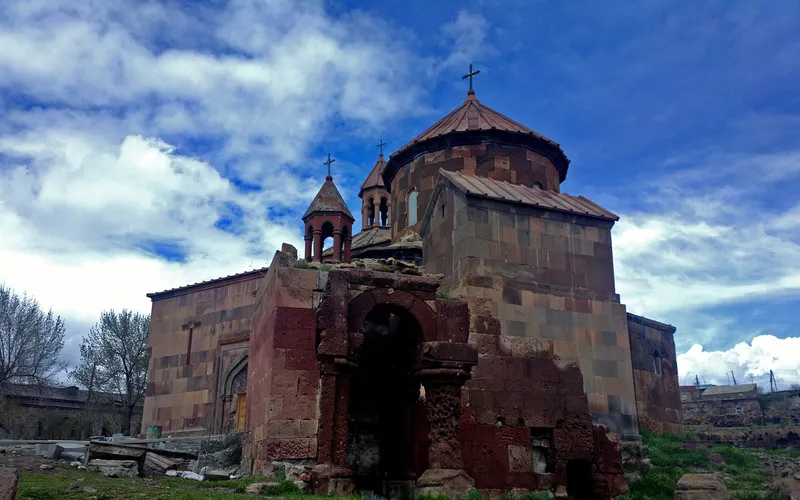
Սուրբ Գրիգոր եկեղեցի Հառիճավանքում
Սուրբ Գրիգոր եկեղեցին Հառիճավանքում՝ Շիրակի մեծ վանքերից մեկում, որտեղ փորագիր տուֆը հանդիպում է լեռնային լռությանը։ Հայաստանի հյուսիսով ճանապարհորդության գոհար։
Բացել →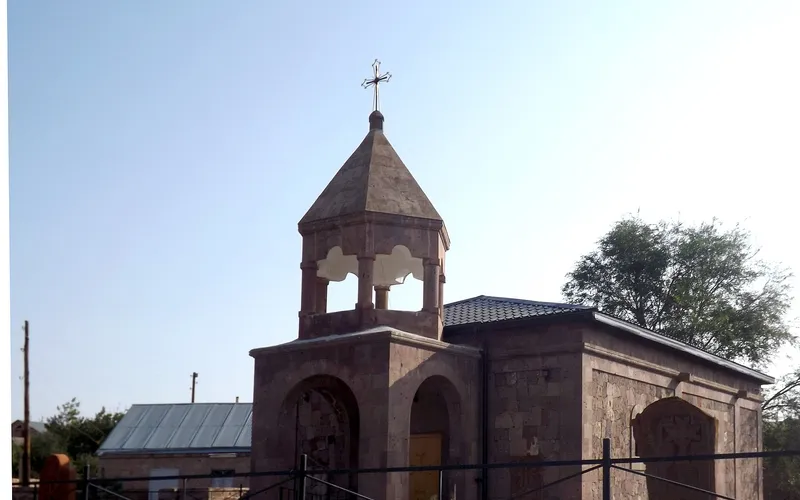
Եկեղեցի Վարդաքարում
Քարե եկեղեցի շիրակյան Վարդաքար գյուղում՝ պահպանվող որպես Հայաստանի մշակութային հուշարձան։ Հանգիստ, քարտեզից դուրս ընկած կանգառ լեռնաշխարհում։
Բացել →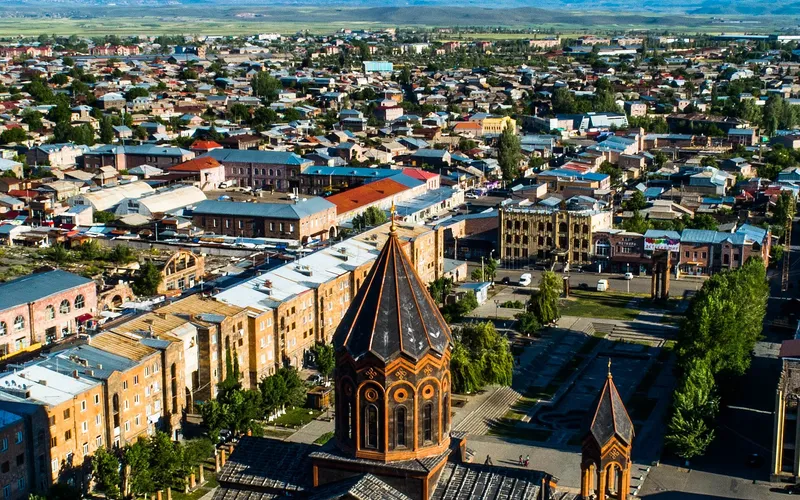
Սուրբ Ամենափրկիչ եկեղեցի, Գյումրի
Վեհաշուք 19-րդ դարի հայկական եկեղեցի Գյումրու կենտրոնական հրապարակում՝ վերականգնված 1988-ի երկրաշարժից հետո և քաղաքի խորհրդանիշ դարձած։
Բացել →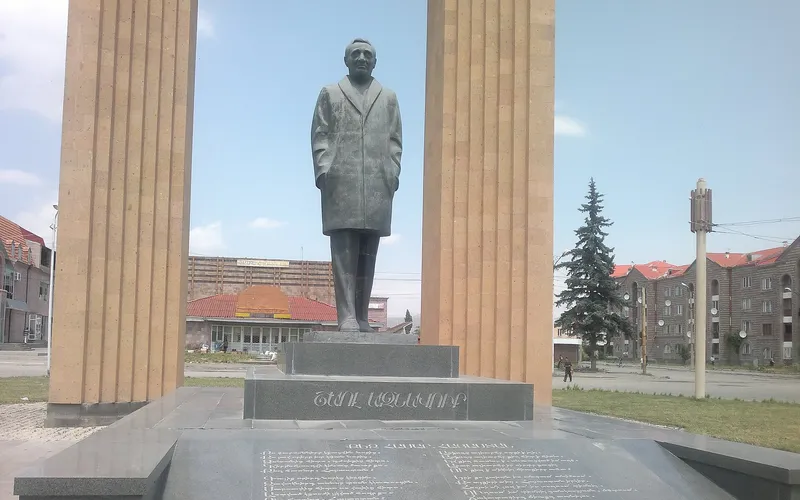
Շառլ Ազնավուրի արձան
Արձան Շիրակում՝ նվիրված Շառլ Ազնավուրին՝ ֆրանս-հայ ձայնին, որ սիրեց ողջ աշխարհը:
Բացել →Կանխատեսում Ազատան-ի համար
Հիմա, այսօր, վաղը, 5/7/10/14 օրով և ամիս առաջ: