Արթիկ
Տուֆի քաղաք Արագածի հյուսիս-արևմտյան ստորոտին
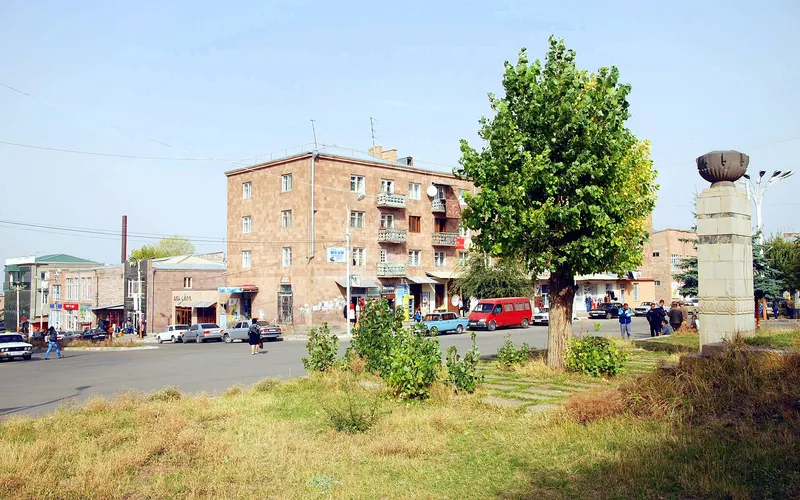
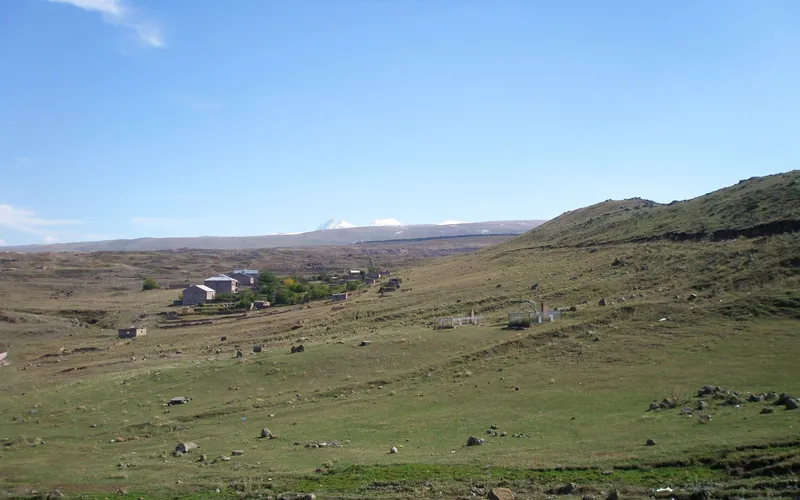
Արթիկը Հայաստանի հյուսիս-արևմուտքում, Շիրակի մարզում գտնվող քաղաք է, որը փռված է Շիրակի գոգավորությունում՝ Արագած լեռան հյուսիս-արևմտյան ստորոտին, Երևանից շուրջ 105 կիլոմետր հեռավորության վրա։ Մոտ 1859 մետր բարձրության վրա այն հայկական տուֆի ամենահայտնի կենտրոններից մեկն է՝ հին գյուղից վերաճած արդյունաբերական ավանի, իսկ այսօր՝ Շիրակի հանգիստ շրջանային քաղաքի, որի բնակչությունը շուրջ քսան հազար է։
Ինչ վայր է սա
Արթիկը Հայաստանի հյուսիս-արևմուտքում, Շիրակի մարզում գտնվող քաղաք է, որը փռված է Շիրակի գոգավորությունում՝ Արագած լեռան հյուսիս-արևմտյան ստորոտին, Երևանից շուրջ 105 կիլոմետր հեռավորության վրա։ Մոտ 1859 մետր բարձրության վրա այն հայկական տուֆի ամենահայտնի կենտրոններից մեկն է՝ հին գյուղից վերաճած արդյունաբերական ավանի, իսկ այսօր՝ Շիրակի հանգիստ շրջանային քաղաքի, որի բնակչությունը շուրջ քսան հազար է։
Թեև գրանցամատյաններում Արթիկը հաճախ ներկայացվում է որպես սովորական բնակավայր, իրականում այն լիարժեք քաղաք է։ Քաղաքի կարգավիճակ ստացել է 1945 թվականին, իսկ քաղաքատիպ ավանի կարգավիճակը՝ դեռ 1938 թվականի հոկտեմբերի 1-ին. 2011 թվականի մարդահամարը այստեղ արձանագրել է 19 543 բնակիչ։ Ուստի մեր առջև գյուղ չէ, այլ փոքր, բայց իսկական քաղաք՝ իր արդյունաբերական պատմությամբ, թաղամասերով և կենտրոնի եկեղեցիներով։
Վայրի անունն առաջին անգամ հանդիպում է XI դարի հայկական արձանագրություններում՝ «Հարդիկ» ձևով։ Այն սովորաբար բխեցնում են հայերեն արմատներից, որոնք նշանակում են «հարված, հարվածել» և «լեռան լանջ»՝ այսինքն լանջի մեջ փորված, փորագրված վայր։ Ժամանակի ընթացքում սկզբնական «հ»-ն ընկել է, և ամրապնդվել են «Արդիկ» ու «Արթիկ» ձևերը, որոնք ճշգրիտ արտացոլում են վայրի էությունը՝ Արագածի ստորոտի քարքարոտ լանջերում բառացիորեն փորագրված քաղաք։
Այս հողերի պատմությունը հասնում է վաղ միջնադար. ավանդությունները դրանք կապում են հայ Կամսարական նախարարական տան և Մեծ Հայքի Այրարատ նահանգի Շիրակ գավառի հետ։ Շիրակով անցել են հայոց պատմության բոլոր ալիքները՝ մարզպանությունը, Բագրատունիների Անիի թագավորությունը, Զաքարյանների տիրապետությունը, ուշ միջնադարի ավերումներն ու Շահ Աբասի օրոք բռնագաղթերը։ Ներկայիս բնակչությունը ձևավորվել է XIX դարում, երբ երկրամասը Ռուսական կայսրությանն անցնելուց հետո այստեղ վերաբնակվեցին Կարսից և Կաղզվանից եկած հայ ընտանիքները. 1897 թվականի մարդահամարն ինքնին բնակավայրում հաշվել է շուրջ 2950 բնակիչ՝ գրեթե բացառապես հայեր։
Արթիկի գլխավոր հարստությունը տուֆն է։ Քաղաքի շրջակայքում ընկած է հրաբխային տուֆի խոշոր հանքավայր՝ հանրահայտ «արթիկյան տուֆը», որը տեղ-տեղ ընկած է հողի մակերևույթից ընդամենը մի քանի սանտիմետր ներքև. մոտակայքում կան նաև բազալտի զգալի պաշարներ։ Հենց տուֆով են կառուցված հայկական քաղաքների բազմաթիվ շենքեր, և վարդագույն-կրեմագույն արթիկյան քարը դարձել է ազգային ճարտարապետության այցեքարտերից մեկը։ Խորհրդային տարիներին այս հումքը մերձակա քարհանքերից դուրս բերելու համար անցկացվել է Մարալիկ — Արթիկ — Գյումրի գծի երկաթուղային ճյուղը, որով ակտիվ բեռնափոխադրումներ էին կատարվում. այսօր այդ ճյուղն անգործ է, սակայն քարագործ անցյալի հիշողությունը մինչ օրս որոշում է քաղաքի դեմքը։
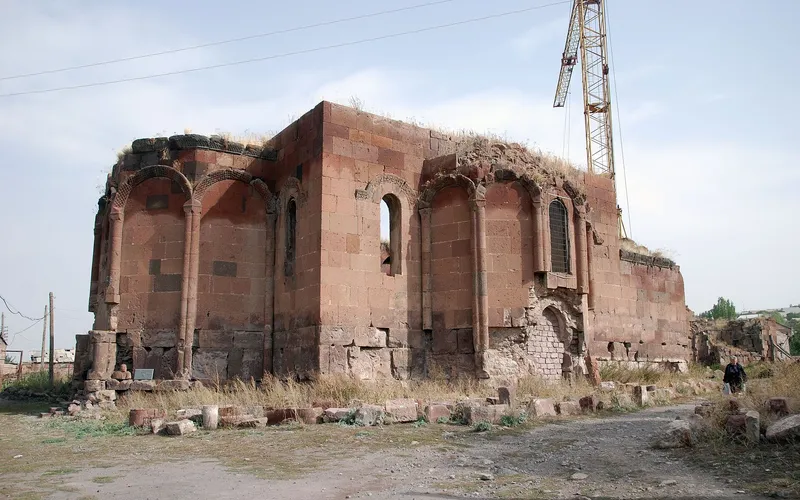
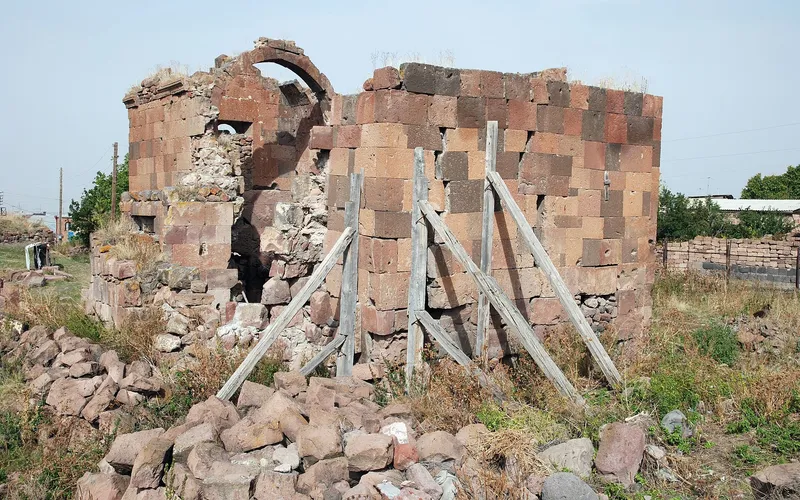
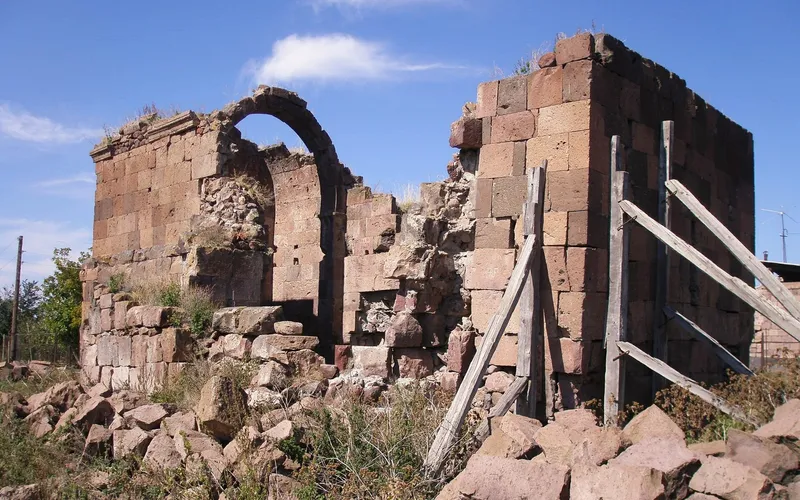
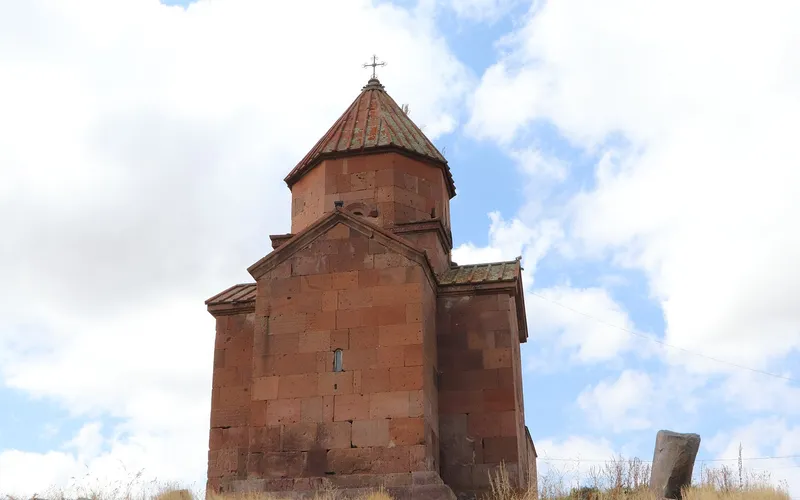
Չնայած իր արդյունաբերական երիտասարդությանը՝ Արթիկը պահպանում է հնագույն հուշարձանների հազվագյուտ հարստություն։ Հենց քաղաքում և նրա կենտրոնում կանգուն են միանգամից մի քանի տաճարներ՝ VII դարի Սուրբ Գևորգ եկեղեցին, նույն դարի Սուրբ Ստեփանոս եկեղեցին և վաղ միջնադարյան Սուրբ Աստվածածնի ավերակները, որ ավանդությամբ հասնում են IV դարին և պաշտվում են որպես ժողովրդական մատուռ։ Այս փոքրիկ, բայց հնագույն կառույցները Արթիկով զբոսանքը դարձնում են ճանապարհորդություն հայ ճարտարապետության մեկուկես հազարամյակի միջով։
Քաղաքի շրջակայքն ավելի հարուստ է։ Արթիկի վրա բարձրացող խոտածածկ լանջերին կանգուն է Լմբատավանքը՝ Սուրբ Ստեփանոսին նվիրված նրբագեղ խաչաթաղ տաճար, վաղ միջնադարյան հայ ճարտարապետության գոհարներից մեկը։ Իսկ ընդամենը երեք-չորս կիլոմետր հեռու, Հառիճ գյուղում, գտնվում է Հառիճավանքը՝ Հայաստանի խոշորագույն վանքերից մեկը, V–XIII դարերի համալիր՝ պարսպապատ կառույցների մնացորդներով և գործող հոգևոր դպրոցով։ Միասին նրանք Արթիկի շրջակայքը դարձնում են միջնադարյան քարի իսկական արգելոց։
Այսօր Արթիկն ապրում է շրջանային քաղաքի հանդարտ կյանքով՝ քարագործություն և տուֆի մշակում, համեստ առևտուր, այգեգործություն ու տնտեսություն Շիրակի լեռնային հողերի վրա։ Բարձրավանդակի զով կլիման, Արագածի ձյունապատ գագաթի բացված տեսարանները և քարե թաղամասերի լռությունը քաղաքին հաղորդում են յուրահատուկ զուսպ հմայք։
Այս կողմերում հայտնվողներին Արթիկն արժե այցելել մի զուգակցության համար, որ դժվար է գտնել այլուր՝ հնագույն տաճարներ հենց քաղաքի սահմաններում, հանրահայտ տուֆի լանջեր, քաղաքի վրա բարձրացող նրբագեղ Լմբատավանքը և հարևան վեհաշուք Հառիճավանքը, և այս ամենը՝ Արագածի ֆոնին, հայկական քարագործության հենց ակունքներում։
Արթիկը փոքր հայկական քաղաք է, որտեղ քարի արհեստն ու հնագույն եկեղեցիները Արագածի ստորոտին միահյուսվում են մեկ հանդարտ, բայց խորապես հայկական պատկերի մեջ։
Վայրեր մոտակայքում
Սուրբ Գրիգոր եկեղեցի Հառիճավանքում
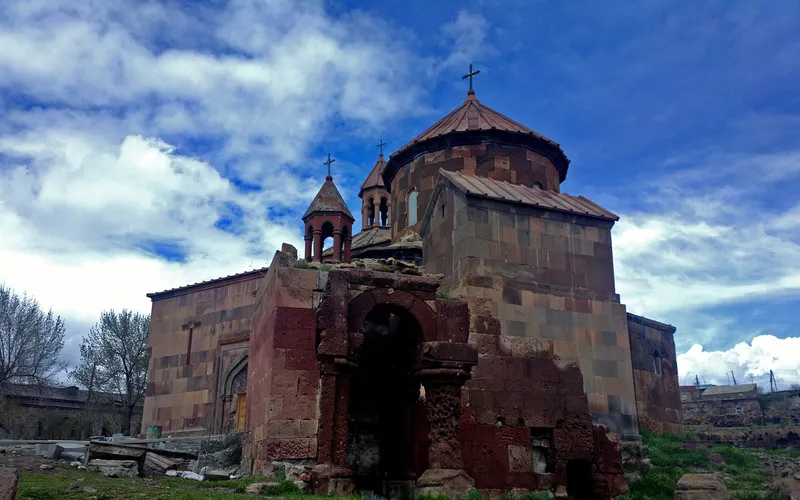
Սուրբ Գրիգոր եկեղեցին Հառիճավանքում՝ Շիրակի մեծ վանքերից մեկում, որտեղ փորագիր տուֆը հանդիպում է լեռնային լռությանը։ Հայաստանի հյուսիսով ճանապարհորդության գոհար։
Բացել →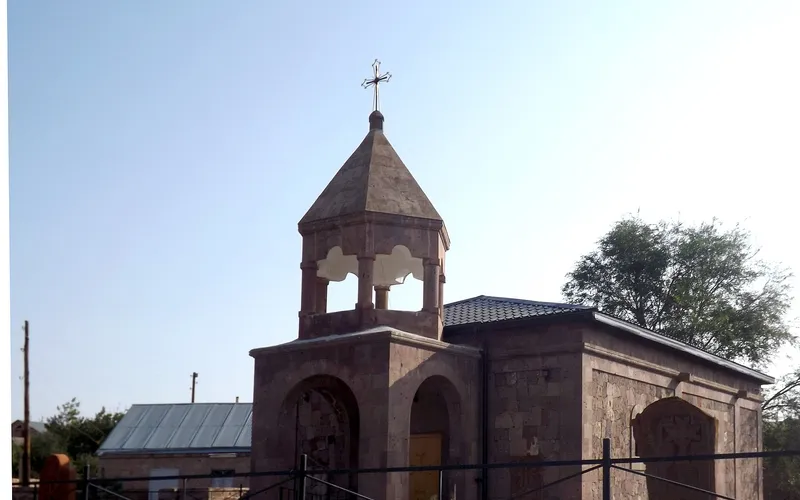
Եկեղեցի Վարդաքարում
Քարե եկեղեցի շիրակյան Վարդաքար գյուղում՝ պահպանվող որպես Հայաստանի մշակութային հուշարձան։ Հանգիստ, քարտեզից դուրս ընկած կանգառ լեռնաշխարհում։
Բացել →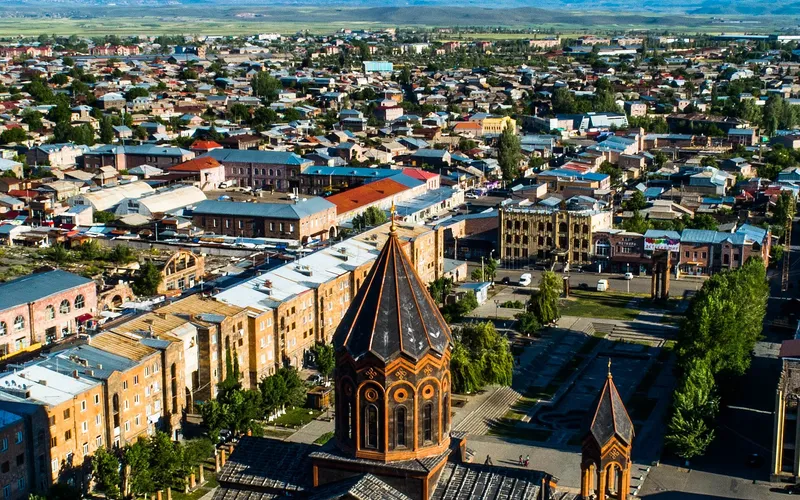
Սուրբ Ամենափրկիչ եկեղեցի, Գյումրի
Վեհաշուք 19-րդ դարի հայկական եկեղեցի Գյումրու կենտրոնական հրապարակում՝ վերականգնված 1988-ի երկրաշարժից հետո և քաղաքի խորհրդանիշ դարձած։
Բացել →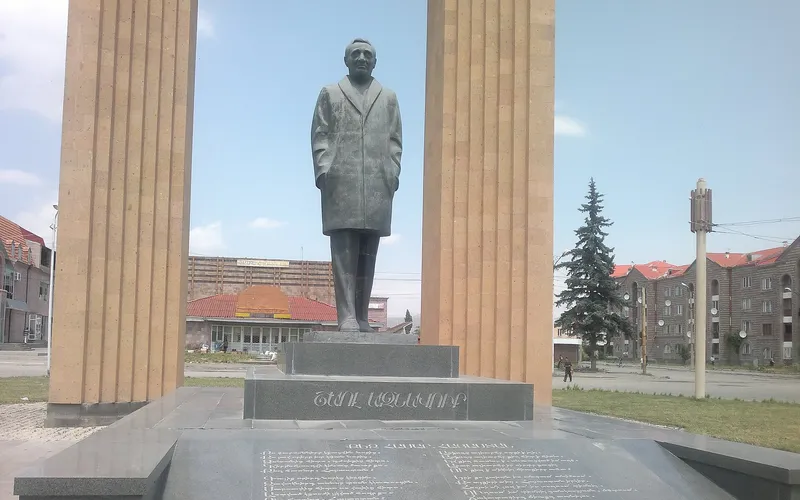
Շառլ Ազնավուրի արձան
Արձան Շիրակում՝ նվիրված Շառլ Ազնավուրին՝ ֆրանս-հայ ձայնին, որ սիրեց ողջ աշխարհը:
Բացել →Կանխատեսում Արթիկ-ի համար
Հիմա, այսօր, վաղը, 5/7/10/14 օրով և ամիս առաջ: