Սպիտակ
Քաղաք, որ վերակառուցվեց մեծ աղետից հետո
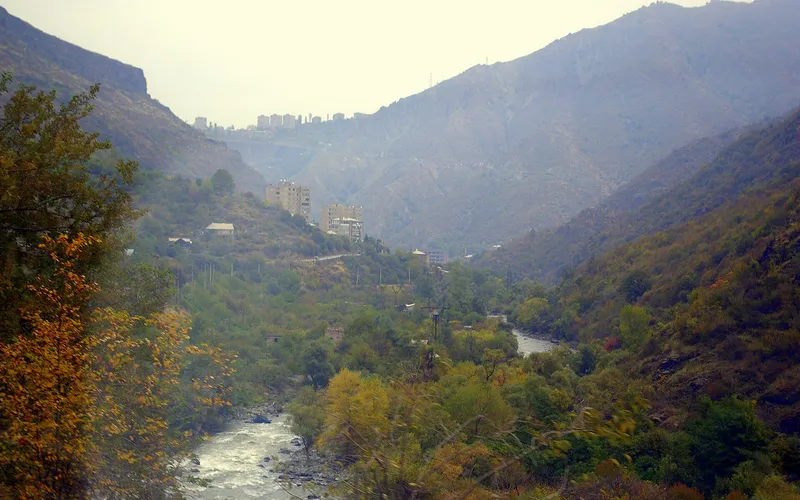
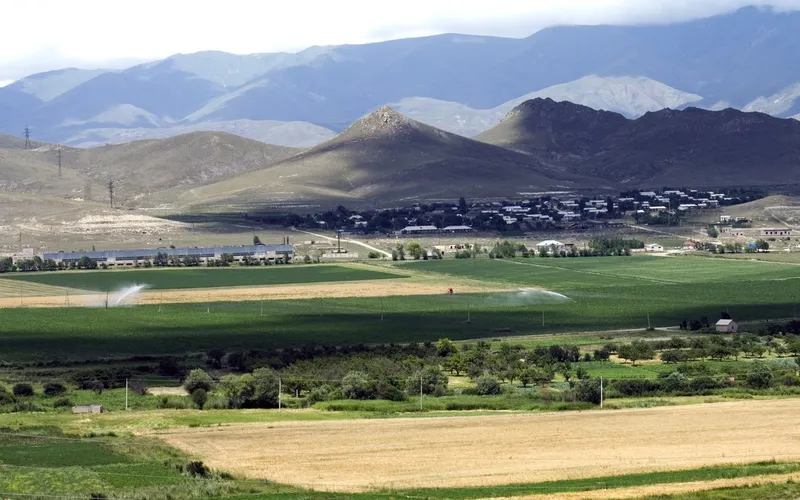
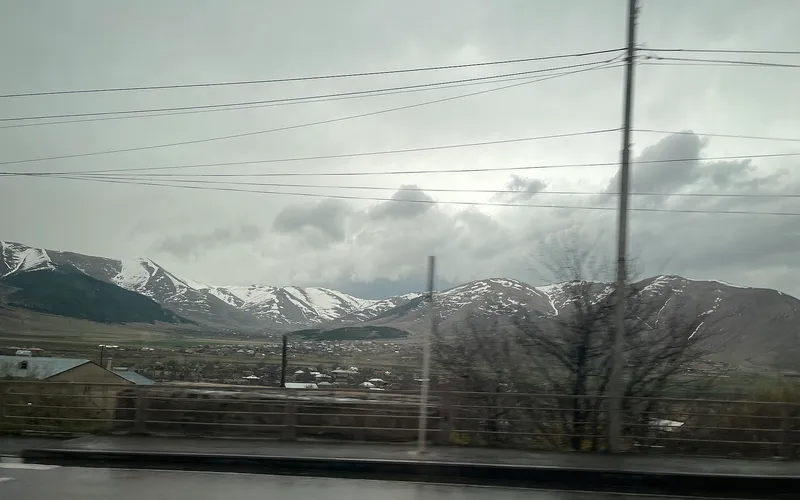
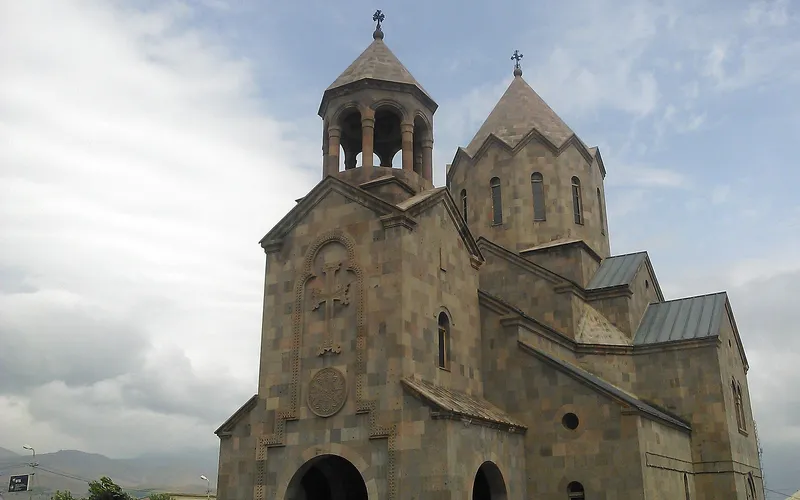
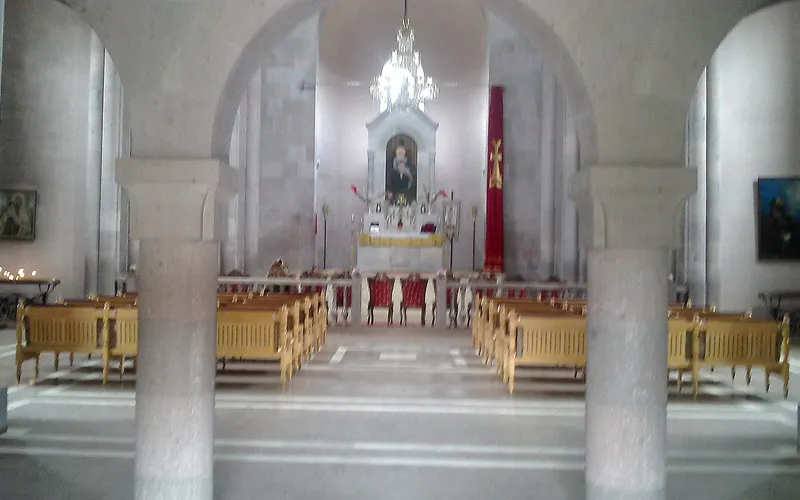
Սպիտակը Հայաստանի հյուսիսում գտնվող փոքր լեռնային քաղաք է՝ Լոռու մարզի Սպիտակի շրջանի կենտրոնը, որը փռված է Փամբակ գետի հովտում՝ Երևանից մոտ 96 կիլոմետր հյուսիս և մարզկենտրոն Վանաձորից 22 կիլոմետր արևմուտք։ Քաղաքի անունը հայերեն նշանակում է «սպիտակ», և ողջ աշխարհի համար այն ընդմիշտ կապված է 1988 թվականի դեկտեմբերի 7-ի ավերիչ երկրաշարժի հետ, որի էպիկենտրոնը հենց այս քաղաքն էր։ Այն, ինչ այսօր տեսնում է այցելուն, գրեթե զրոյից վերակառուցված Սպիտակն է՝ ողջ երկրի ջանքերով և տասնյակ պետությունների օգնությամբ։
Ինչ վայր է սա
Սպիտակը Հայաստանի հյուսիսում գտնվող փոքր լեռնային քաղաք է՝ Լոռու մարզի Սպիտակի շրջանի կենտրոնը, որը փռված է Փամբակ գետի հովտում՝ Երևանից մոտ 96 կիլոմետր հյուսիս և մարզկենտրոն Վանաձորից 22 կիլոմետր արևմուտք։ Քաղաքի անունը հայերեն նշանակում է «սպիտակ», և ողջ աշխարհի համար այն ընդմիշտ կապված է 1988 թվականի դեկտեմբերի 7-ի ավերիչ երկրաշարժի հետ, որի էպիկենտրոնը հենց այս քաղաքն էր։ Այն, ինչ այսօր տեսնում է այցելուն, գրեթե զրոյից վերակառուցված Սպիտակն է՝ ողջ երկրի ջանքերով և տասնյակ պետությունների օգնությամբ։
Փամբակի հովտի այս հատվածում բնակավայրը վաղուց է գոյություն ունի, սակայն նախկինում այն կրում էր այլ անուն՝ Համամլու։ Հին անվանումն ընդունված է կապել թյուրքական «համամ»՝ «բաղնիք» բառի հետ, և մի վարկածով՝ տեղի տաք աղբյուրների հետ։ Ժամանակակից հայկական Սպիտակ անունը՝ «սպիտակ» իմաստով, քաղաքին ամրագրվեց 1948 թվականին, և հենց այս անունով այն մտավ պատմության մեջ։
Քաղաքի կարգավիճակ Սպիտակը ստացավ 1960 թվականին, իսկ 1971-ին դարձավ հանրապետական ենթակայության քաղաք։ 1980-ականներին այն խորհրդային Հայաստանի զարգացած արդյունաբերական կենտրոն էր. այստեղ գործում էին 1937 թվականին հիմնված կաթնամթերքի գործարանը, 1947-ին բացված շաքարի գործարանը, վերելակ, ամբարձիչ սարքավորումներ արտադրող ձեռնարկություն և այլ արտադրություններ։ Քաղաքն աճում էր, և աղետի նախօրեին նրա բնակչությունը մոտենում էր քսան հազարի։
1988 թվականի դեկտեմբերի 7-ի առավոտյան՝ ժամը 11-ն անց 41 րոպեին, հյուսիսային Հայաստանը ցնցեց մոտ 6,8–7,2 մագնիտուդով երկրաշարժ։ Սպիտակը, որ հայտնվեց հենց էպիկենտրոնում, գրեթե ամբողջությամբ ավերվեց. քաղաքի զգալի մասը վայրկյանների ընթացքում վերածվեց ավերակների, զոհվեցին հազարավոր բնակիչներ։ Այս ողբերգությունը՝ հայտնի որպես Սպիտակի երկրաշարժ, տարածաշրջանում խլեց տասնյակ հազարավոր կյանքեր և դարձավ Հայաստանի պատմության ամենասարսափելի բնական աղետներից մեկը։ Նույնիսկ փրկարարական գործողությունն ուղեկցվում էր նոր կորուստներով. օգնություն տեղափոխելիս կործանվեցին ինքնաթիռներ, զոհվեցին տասնյակ մարդիկ։
Խորհրդային Միության փլուզումից հետո Սպիտակը վերակառուցվեց նորից՝ ոչ թե նախկին վայրում, այլ մի փոքր մի կողմ՝ ավելի անվտանգ տեղում։ Վերականգնումն ընթանում էր կառավարության և հայ սփյուռքի ջանքերով, սակայն հսկայական դեր խաղաց նաև միջազգային համերաշխությունը. օգնություն եկավ բազմաթիվ երկրներից, որոնց թվում էին Շվեյցարիան, Ռուսաստանը, Ավստրիան, Ֆինլանդիան, Նորվեգիան, Իտալիան, Գերմանիան, Չեխիան, Էստոնիան, Ուզբեկստանը և Մեծ Բրիտանիան։ Բնակելի ամբողջ թաղամասեր կառուցվեցին օտարերկրյա շինարարների ձեռքով, և այդ օգնության հիշատակը մինչ օրս կենդանի է քաղաքում։
Այսօրվա Սպիտակը հանգիստ, նկատելիորեն ավելի ընդարձակ ու կանաչ քաղաք է, քան իր խորհրդային նախորդը։ 2011 թվականի մարդահամարով այնտեղ հաշվվում էր մոտ 12 881 բնակիչ. 2022 թվականի մարդահամարը տվեց մոտավորապես նույն թիվը՝ շուրջ տասներեք հազար մարդ։ Այն շարունակում է մնալ շրջանային կենտրոն, որին ձգտում են Փամբակի հովտի շրջակա գյուղերը. կյանքն այստեղ ընթանում է փոքր լեռնային քաղաքի ռիթմով՝ դպրոցներ, շուկա, արհեստանոցներ և շրջակայքի գյուղատնտեսություն։
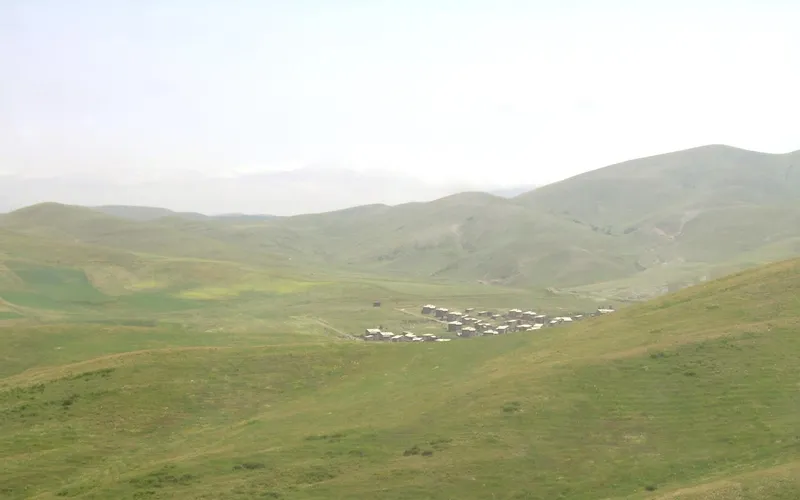
Քաղաքը գտնվում է ծովի մակարդակից մոտ 1250 մետր բարձրության վրա՝ լեռների գրկում, ինչը պայմանավորում է նրա զով, լեռնային կլիման՝ երկար ձյունառատ ձմեռով և կարճ, թարմ ամառով։ Փամբակ գետը, որ անուն է տվել ողջ հովտին, հոսում է քաղաքի և նրա շրջակայքի միջով։ Բարձրության, մաքուր օդի և լեռնային բնապատկերի համադրությունը շրջակայքը գրավիչ է դարձնում նրանց համար, ովքեր Լոռի են գալիս բնության համար։
Սպիտակը եղբայրական կապեր ունի աշխարհի մի քանի քաղաքների հետ՝ դրանց թվում ԱՄՆ-ի Թաուզընդ Օքսը, նիդեռլանդական Լիմմենը և բելառուսական Օրշան. այս կապերը մեծ մասամբ ծնվել են հենց այն օգնությունից, որ քաղաքը ստացավ երկրաշարժից հետո։ Ճանապարհորդի համար Սպիտակը հետաքրքիր է առաջին հերթին որպես հիշողության վայր և որպես հարմար մեկնակետ հյուսիսային Հայաստանով ճամփորդությունների համար. այստեղից մոտ է Վանաձորը, Լոռու անտառապատ կիրճերը՝ իրենց միջնադարյան վանքերով, և Շիրակ տանող լեռնանցքները։
Սպիտակ արժե գալ՝ զգալու այս վայրի բնավորությունը՝ քաղաքի, որ վերապրեց գրեթե լիակատար ավերումը և վերածնվեց նորից։ Սպիտակի պատմությունը ոչ միայն 1988 թվականի աղետի հիշողությունն է, այլև ակնառու պատմություն այն մասին, թե ինչպես համերաշխությունն ու համառությունը կյանք են վերադարձնում այնտեղ, որտեղ, թվում էր, ոչինչ չէր մնացել։
Սպիտակը Լոռու փոքր, բայց անկոտրում քաղաքն է՝ հանգիստ լեռնային հովիտ, որտեղ ողբերգության հիշողությունը հարևանում է նոր, վերակառուցված կյանքի հետ։
Վայրեր մոտակայքում
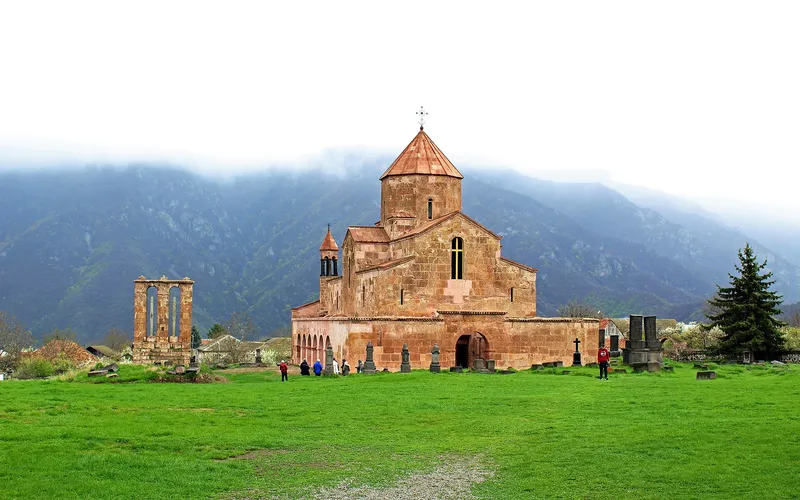
Օձունի եկեղեցի
Լոռու ամենաարտահայտիչ վաղ միջնադարյան բազիլիկներից մեկը՝ վարդագույն-մոխրագույն քարից բարձրացած Օձուն գյուղի վերևում։ Հայ ճարտարապետության և մշակութային ժառանգության հուշարձան։
Բացել →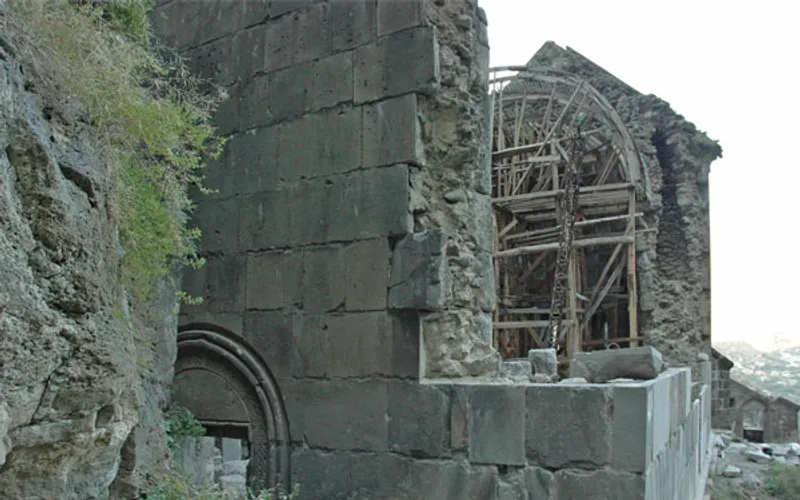
Քոբայրի վանք
Միջնադարյան վանք Լոռու Դեբեդի կիրճի վերևի ժայռին, որտեղ եկեղեցիների ավերակները մինչ օրս կառչած են քարին։
Բացել →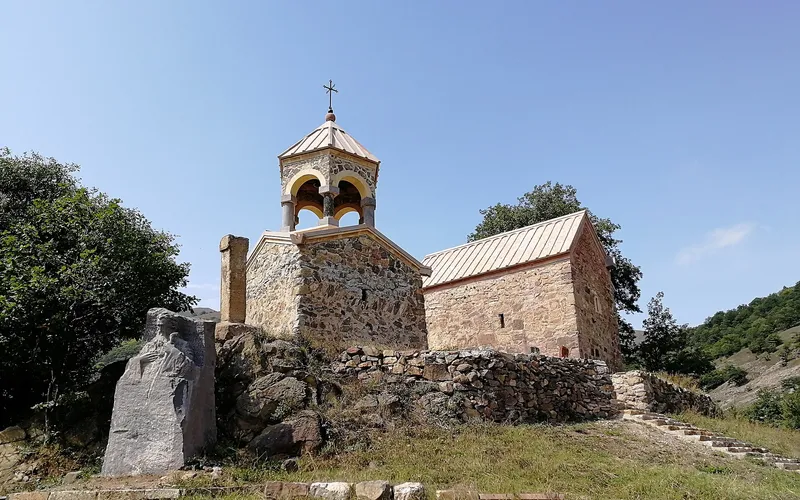
Արդվիի Սուրբ Հովհաննես վանք
Պահպանվող վանական համալիր Լոռու Արդվի գյուղի մոտ, որտեղ հանդարտ բակերը բացվում են լեռնաշխարհի անծայր տեսարանների վրա։
Բացել →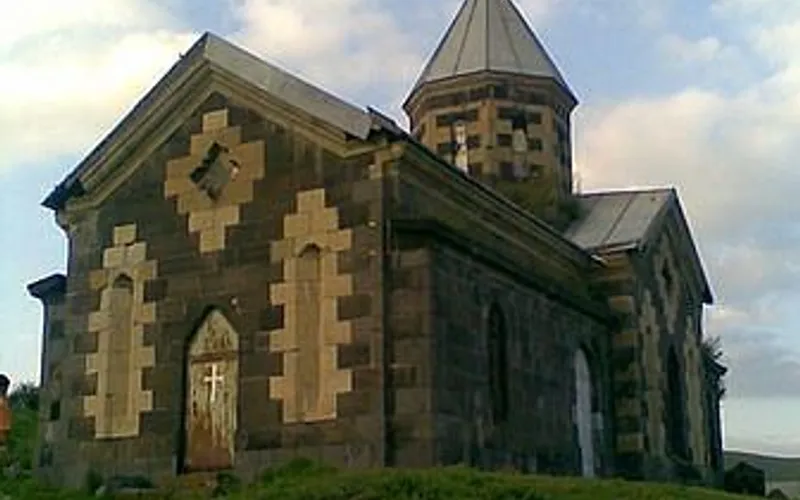
Գարգառի Սբ. Հովհաննես եկեղեցի
Սբ. Հովհաննեսին նվիրված պատմական եկեղեցի Լոռու Գարգառ գյուղում՝ ընդգրկված Հայաստանի մշակութային ժառանգության հուշարձանների ցանկում։
Բացել →Կանխատեսում Սպիտակ-ի համար
Հիմա, այսօր, վաղը, 5/7/10/14 օրով և ամիս առաջ: