Ծովինար
Մեծ գյուղ Սևանի հարավային ափին՝ ջրի աստվածուհու անունով
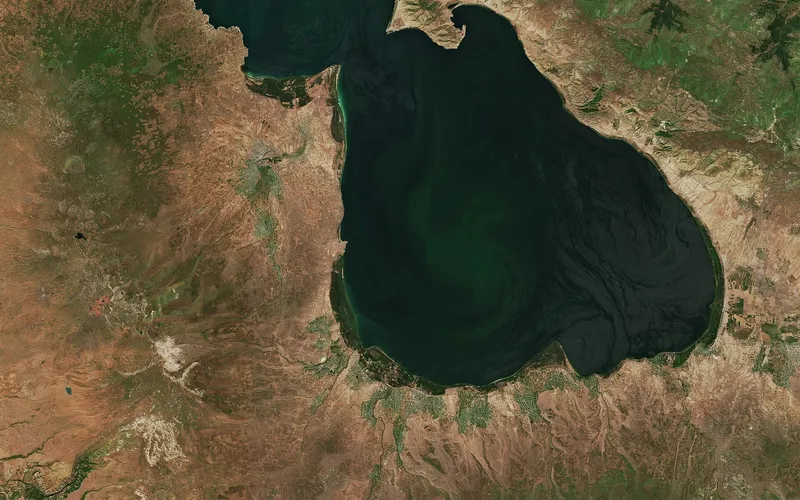
Ծովինարը հայկական մեծ գյուղ է Սևանա լճի հարավային ափին, Գեղարքունիքի մարզում, Գավառից մոտ հիսուն կիլոմետր հարավ-արևելք։ Չնայած մի քանի հազար բնակչի զգալի թվին՝ սա հենց գյուղական բնակավայր է, որը փռված է բարձրլեռնային լճի եզրին՝ ծովի մակարդակից մոտ 1920 մետր բարձրության վրա։ Իր հնչեղ անունը Ծովինարը ստացել է ջրի, ծովի և անձրևի հին հայկական աստվածուհու պատվին, և այդ անունն ինչպես ոչ մի այլ բան սազում է գյուղին, որն ապրում է Կովկասի ամենամեծ ջրավազանի կողքին։
Ինչ վայր է սա
Ծովինարը հայկական մեծ գյուղ է Սևանա լճի հարավային ափին, Գեղարքունիքի մարզում, Գավառից մոտ հիսուն կիլոմետր հարավ-արևելք։ Չնայած մի քանի հազար բնակչի զգալի թվին՝ սա հենց գյուղական բնակավայր է, որը փռված է բարձրլեռնային լճի եզրին՝ ծովի մակարդակից մոտ 1920 մետր բարձրության վրա։ Իր հնչեղ անունը Ծովինարը ստացել է ջրի, ծովի և անձրևի հին հայկական աստվածուհու պատվին, և այդ անունն ինչպես ոչ մի այլ բան սազում է գյուղին, որն ապրում է Կովկասի ամենամեծ ջրավազանի կողքին։
Գյուղի անունը գալիս է Ծովինարից. հայկական դիցաբանության մեջ սա ջրի, ծովի և անձրևի աստվածուհին է՝ տարերքի ահեղ ու գեղեցիկ տիրուհին։ Սևանի ափին գտնվող բնակավայրի համար նման անվան ընտրությունը պատահական չէ. բարձրլեռնային լիճը մեծապես որոշում է թե՛ կլիման, թե՛ տեսքը, թե՛ այս վայրերի կենցաղն ինքնին։ Բառն ինքը պարունակում է «ծով» արմատը, և հարավային ափի բնակիչների համար Սևանը վաղուց եղել է հենց ծով՝ իրենց ներքին, լեռների օղակի մեջ փակված ծովը։
Ծովինարը գտնվում է Սևանի հարավային ափին՝ ջրի և գոգավորությունը շրջապատող լեռնաշղթաների միջև ընկած լայն ափամերձ շերտում։ Ծովի մակարդակից մոտ 1920 մետր բարձրությունը որոշում է վայրի խիստ բարձրլեռնային բնավորությունը. կլիման այստեղ չափավոր ցուրտ է և խոնավ, տարեկան միջին ջերմաստիճանով մոտ վեց աստիճան, ցրտաշունչ ձմեռով և կարճ ու զով ամառով։ Տեղումների ամենամեծ քանակն ընկնում է ամառվա սկզբին, և այս ժամանակ կանաչ ափը կտրուկ հակադրվում է երկար ու ձյունառատ ձմռանը։
Այս ափերը բնակեցված էին ներկայիս գյուղի առաջացումից հազարավոր տարիներ առաջ։ Մոտակայքում բարձրանում է Օձաբերդը՝ ուրարտական ամրոց, որը կառուցել է Ռուսա Առաջին արքան մեր թվարկությունից առաջ ութերորդ դարի վերջին։ Այն համարվում է Սևանի ավազանի լավագույն պահպանված ուրարտական ամրությունը։ Ամրոցի քարերի վրա պահպանվել է երկար, թեև խիստ մաշված սեպագիր արձանագրություն, որը պատմում է քսաներեք երկրների նվաճման մասին՝ համր վկայություն այն դարաշրջանի, երբ հին Արևելքի տերությունները հասնում էին լեռնային լճի ափերին։
Գյուղի միջնադարյան ժառանգությունը պակաս հարուստ չէ։ Այստեղ կանգուն է Սուրբ Սարգիս եկեղեցին՝ կառուցված տասներկուերորդ դարում, կից հին գերեզմանատանով. պահպանվել է նաև Տոփի Գալուղ եկեղեցին։ Մի փոքր հեռու ընկած են Կարմրաշեն հին բնակավայրի ավերակները՝ Հնեվանք եկեղեցով, խաչքարերով և տապանաքարերով։ Այս քարերը՝ քանդակված խաչքարերը, տաճարների մնացորդները, խոտածածկ տապանաքարերը, կազմում են Սևանի հարավային ափին հայ համայնքի դարավոր կյանքի կենդանի մատյանը։
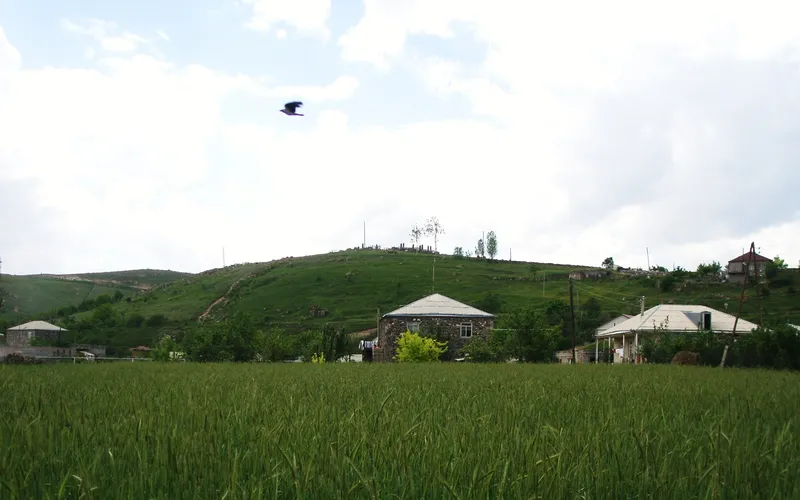
Ժամանակակից Ծովինարի կենցաղը ըստ էության մնում է գյուղական և սերտորեն կապված է լճի ու շրջակա հողի հետ։ Բնակիչները զբաղվում են անասնապահությամբ և երկրագործությամբ, որը հարմարվում է կարճ բարձրլեռնային ամառին, իսկ Սևանի մերձավորությունը վաղուց տվել է և՛ ձուկ, և՛ ջուր, և՛ ափամերձ շերտի առանձնահատուկ մեղմ միկրոկլիման։ Գյուղի մոտ լիճ է թափվում հանրահայտ Արփա-Սևան թունելը՝ ջրատեխնիկական կառույց, որով Արփա գետի ջրերը տեղափոխվում են Սևան՝ ծանծաղող լճի մակարդակը պահպանելու համար։
Ճանապարհորդի համար Ծովինարը հարմար և հանգիստ կանգառ է Սևանի շուրջ հարավային երթուղու վրա՝ հեռու աղմկոտ հյուսիսային լողափերից։ Այստեղից մոտ է թե՛ Օձաբերդ ամրոցն իր ուրարտական սեպագրով, թե՛ հին եկեղեցիները, թե՛ ջուրն ինքը՝ իր փոփոխվող գույներով։ Ով գնում է լճի հարավային ափով, այստեղ կգտնի մեծ հնության և լեռների ստորոտում հանդարտ գյուղական կյանքի զուգակցումը։
Ծովինարն իր մեջ միավորում է ժամանակի երեք չափում՝ առասպելը, որ գյուղին տվել է ջրի աստվածուհու անունը, ուրարտական պարիսպների ու միջնադարյան եկեղեցիների հնությունը և Սևանի ափին մեծ գյուղի այսօրվա հանդարտ կյանքը։
Վայրեր մոտակայքում
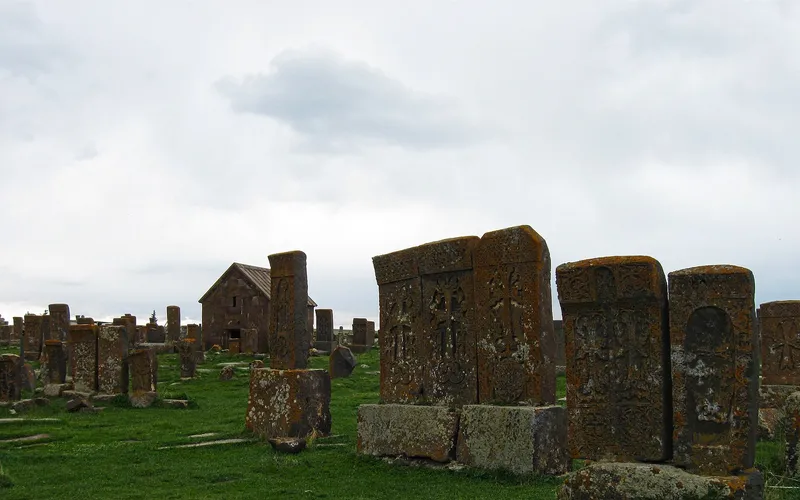
Սուրբ Գրիգոր Լուսավորիչ եկեղեցի (Նորատուս)
Քարե եկեղեցի Նորատուսում՝ Գեղարքունիքի գյուղում, որ հռչակված է իր խաչքարային դաշտերով։ Կրում է այն սրբի անունը, ով Հայաստանին բերեց հավատքը։
Բացել →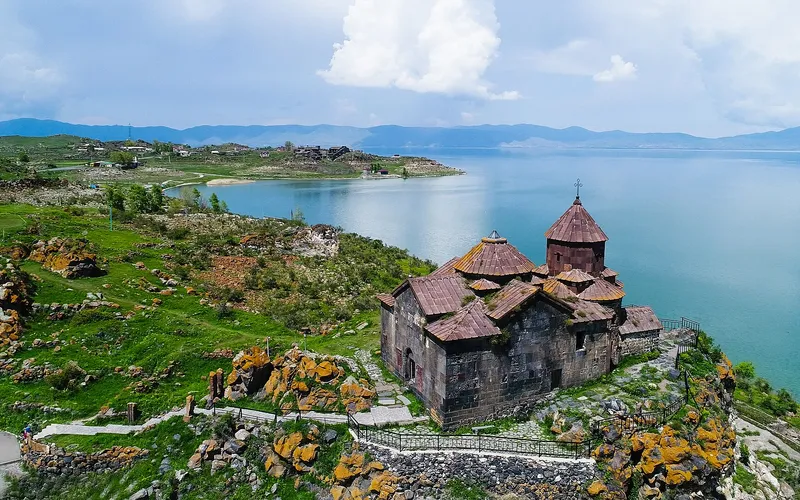
Հայրավանք
Միջնադարյան վանք Սևանա լճի ափին բարձրացող ժայռի վրա՝ Հայաստանի ամենագեղատեսիլ վայրերից մեկը։
Բացել →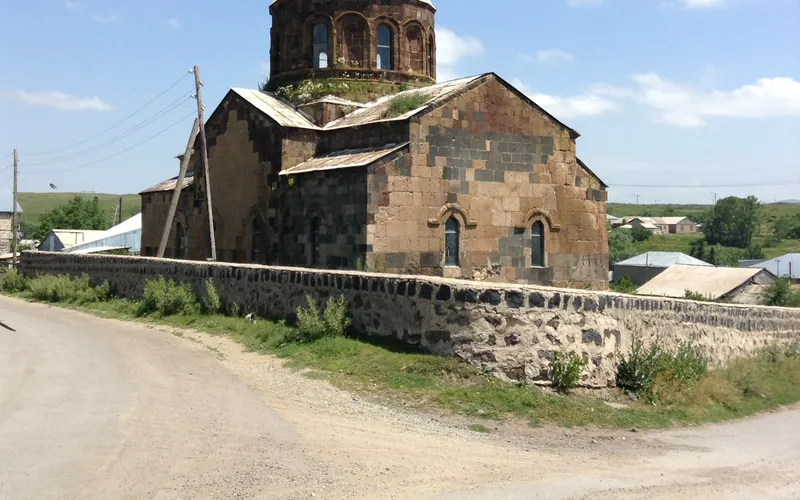
Սուրբ Թադևոս եկեղեցի (Դդմաշեն)
Հաստատուն քարե եկեղեցի Գեղարքունիքի Դդմաշեն գյուղում՝ լեռնային եղանակներից մաշված և հանդարտ պատմությամբ լի։ Իսկական գյուտ՝ զբոսաշրջային ճանապարհից հեռու։
Բացել →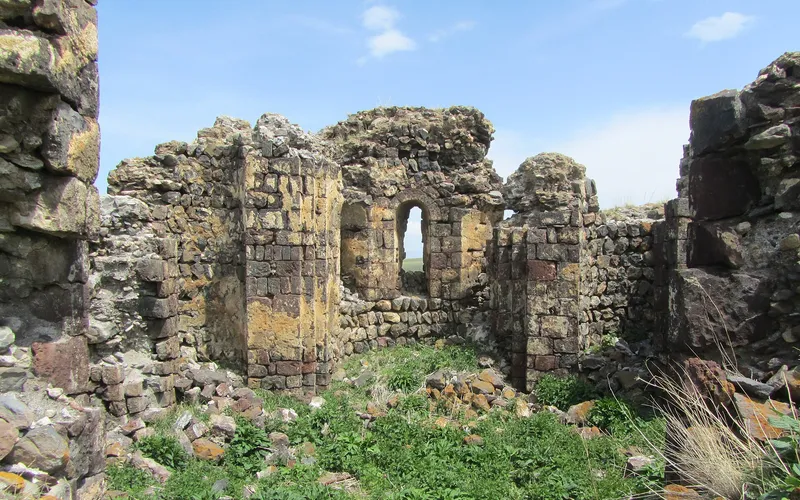
Սուրբ Հռիփսիմե եկեղեցի, Արծվանիստ
Սուրբ Հռիփսիմեին նվիրված գյուղական եկեղեցի Արծվանիստում՝ դասված Հայաստանի մշակութային ժառանգության հուշարձանների շարքին՝ Սևանի լեռնաշխարհում։
Բացել →Կանխատեսում Ծովինար-ի համար
Հիմա, այսօր, վաղը, 5/7/10/14 օրով և ամիս առաջ: