Աստվածինկալ
Հնագույն գյուղ Քասաղի կիրճում՝ վանքի կողքին
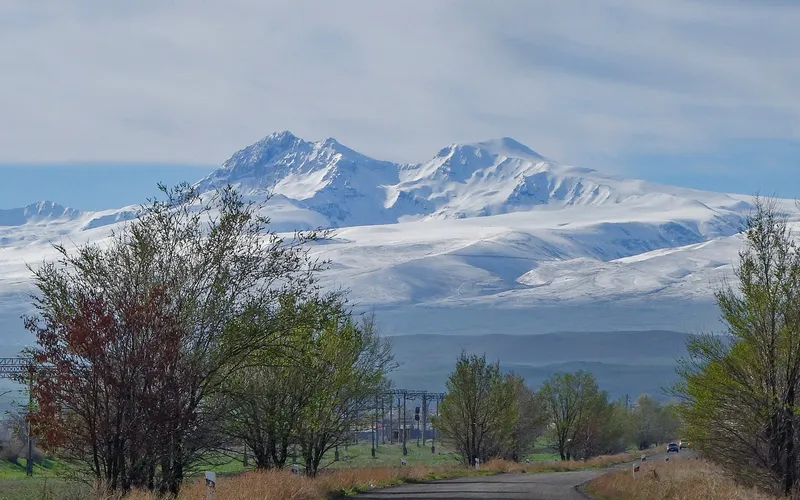
Աստվածինկալը Հայաստանի Արագածոտնի մարզի արևելքում, պատմական Նիգ գավառում գտնվող փոքրիկ ու հնագույն գյուղ է՝ Քասաղ գետի խոր կիրճի եզրին։ Իր անունը այն կիսում է համանուն միջնադարյան Աստվածընկալ վանքի հետ, որը կանգնած է գետի վրա բարձրացող եռանկյունաձև բլրին՝ Հարթավան և Երնջատափ գյուղերի միջև։ Սա լեռնային հանդարտ, սակավամարդ վայր է, որի կյանքը միշտ անբաժան է եղել այն հնագույն ուխտատեղիից, որի համար գյուղն ի սկզբանե ծնվել է։
Ինչ վայր է սա
Աստվածինկալը Հայաստանի Արագածոտնի մարզի արևելքում, պատմական Նիգ գավառում գտնվող փոքրիկ ու հնագույն գյուղ է՝ Քասաղ գետի խոր կիրճի եզրին։ Իր անունը այն կիսում է համանուն միջնադարյան Աստվածընկալ վանքի հետ, որը կանգնած է գետի վրա բարձրացող եռանկյունաձև բլրին՝ Հարթավան և Երնջատափ գյուղերի միջև։ Սա լեռնային հանդարտ, սակավամարդ վայր է, որի կյանքը միշտ անբաժան է եղել այն հնագույն ուխտատեղիից, որի համար գյուղն ի սկզբանե ծնվել է։
Աստվածինկալը փռված է ծովի մակարդակից մոտ 1840 մետր բարձրության վրա՝ արևելյան Արագածոտնի լեռնային գոտում։ Տեղանքն այստեղ կտրուկ է ու արտահայտիչ. գյուղին հարում է Քասաղ գետի կիրճը, ուր աջ ափը կտրվում է ուղղաձիգ ժայռերով, իսկ ձախ ափը մեղմ լանջերով իջնում է դեպի ջուրը։ Կլիման խստաշունչ է, լեռնային զովությամբ, երկար ու ձյունառատ ձմեռով և կարճ, պայծառ ամառով. շուրջը քարքարոտ արոտներ են ու լանջեր՝ բնորոշ Արագած լեռան զանգվածին նայող նախալեռներին։
Գյուղի պատմությունն անխզելիորեն կապված է Աստվածընկալ վանքի հետ։ Անվանումն ինքնին գալիս է վանքում պահվող սրբությունից՝ «Աստվածընկալ Սուրբ Խաչ» մասունքից. հայերեն բառը բառացի նշանակում է «Աստծուն ընդունող»։ Վանքի հնագույն կառույցները՝ Սուրբ Աստվածածին միանավ թաղակապ բազիլիկ եկեղեցին, կառուցել են IV–V դարերի սահմանին Նիգ գավառի տերերը՝ Գնթունի իշխանական տոհմը։ Գյուղի առաջացումն էլ տրամաբանորեն կապում են այս շինարարության հետ, այսինքն՝ դրա արմատները հասնում են առնվազն IV դար։
Ուխտատեղիի ծաղկումը բաժին ընկավ XIII դարին, երբ գավառը տիրում էին Վաչուտյան իշխանները։ 1207 թվականին հին եկեղեցին նորոգվեց, և նրա մոտ հաստատվեց մեծ միաբանություն։ 1230-ական թվականների վերջին իշխանաց իշխան և Արարատյան երկրի սպարապետ Քուրդ Ա Վաչուտյանը կնոջ՝ Խորիշահ իշխանուհու հետ ձեռնամուխ եղավ մեծ շինարարության. 1244 թվականին ավարտվեց գմբեթավոր Սուրբ Նշան եկեղեցին՝ կից հին բազիլիկին։ Վաչուտյան ամոլը հայտնի է նաև այս երկրի այլ կառույցներով՝ Եղիպատրուշի եկեղեցով և Վարդենիս մայրաքաղաքի պարիսպներով։
Վանական համալիրը հայ միջնադարյան ճարտարապետության արտահայտիչ նմուշ է. տարաժամանակ կառույցները ձուլվել են մեկ ամբողջության մեջ՝ ներդաշնակ տեղավորվելով կիրճի ժայռոտ բնապատկերում։ Քանդակազարդ խաչքարերը, զարդարուն մուտքերը և գավիթը լրացնում են համույթը, իսկ գետի մյուս ափին ժամանակին վեր էր խոյանում բերդը։ Հենց այս՝ Նիգ-Ապարանի իշխաններին հիշող քարերի համար են այսօր էլ Աստվածինկալ բարձրանում սակավաթիվ ուխտավորներ։
Գրավոր աղբյուրները վաղուց են պահպանել գյուղի անունը։ Մատենադարանում պահվող՝ Սահակ գրչի 1644 թվականի ձեռագրում, Նիգ-Ապարանի գյուղերը թվարկելիս, կա կարճ նշում՝ «Ածնկալն աստ է» («Աստվածընկալն այստեղ է»)։ Գավառի շատ բնակավայրերի նման՝ Աստվածինկալն անկում է ապրել սելջուկյան արշավանքների ու թուրք-պարսկական պատերազմների շրջանում, ապա ամայացել ու կրկին վերաշնչել։
XIX դարի սկզբին, Արևելյան Հայաստանը Ռուսական կայսրությանը միանալուց հետո, գյուղը կրկին բնակեցվեց. 1829 թվականին այստեղ վերաբնակվեցին Մանազկերտից (Մանցիկերտից) գաղթած ընտանիքներ, ինչը վկայված է 1831 թվականի աշխարհագրական նկարագրությամբ։ Սակայն այս վերածնունդն էլ երկար չտևեց. ժամանակի ընթացքում լեռնային գյուղը նորից ամայացավ, և նրա մշտական կյանքը մարեց XX դարի կեսերին։ Այսօր Աստվածինկալը նախ և առաջ պատմական վայր է ու անուն քարտեզի վրա՝ հնագույն ուխտատեղիի կողքին, սակավամարդ ու լուռ։
Արևելյան Արագածոտնով ճանապարհորդողին Աստվածինկալը գրավում է ոչ թե աղմուկով, այլ Քասաղի կիրճի լռությամբ ու վանքի հնագույն պատերով՝ մի վայրով, ուր Նիգ գավառի պատմությունը կարդացվում է անմիջապես քարի վրա։
Վայրեր մոտակայքում
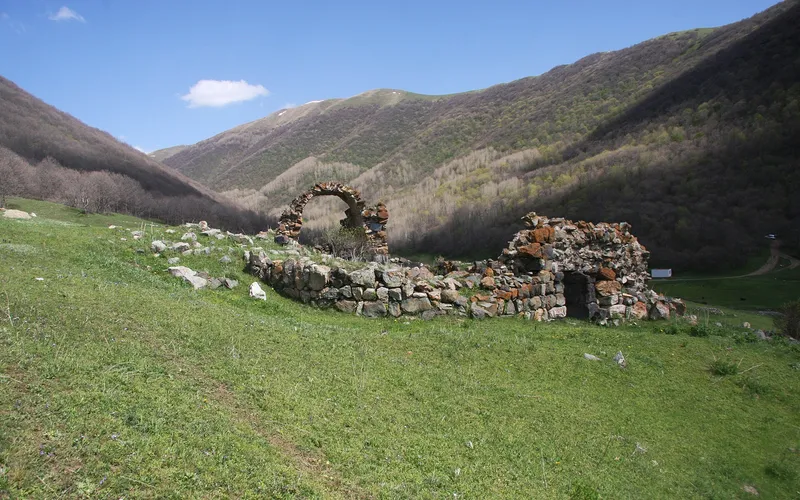
Կարմիր վանք (Մխերի վանք)
Հանդարտ վանական համալիր Արագածոտնի լեռնաշխարհում՝ հայտնի երկու անունով և խոր անդորրով։
Բացել →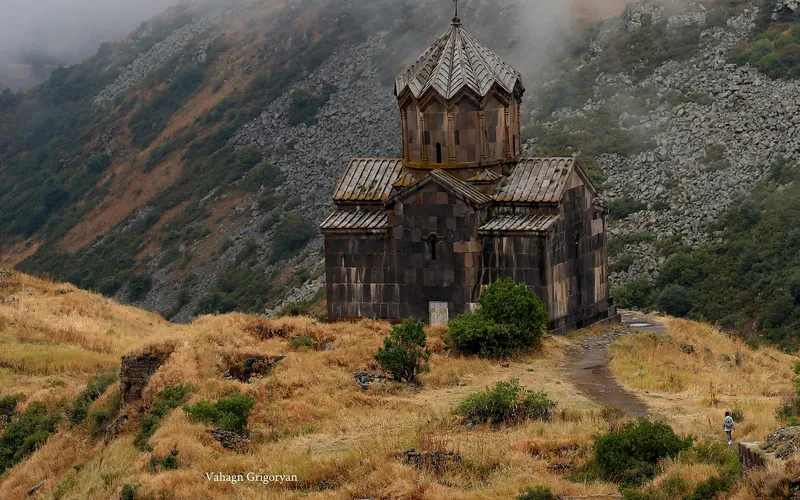
Վահրամաշեն եկեղեցի
Միջնադարյան եկեղեցի Արագած լեռան լանջերին՝ ժամանակին հզոր Ամբերդ ամրոցի ավերակների կողքին։
Բացել →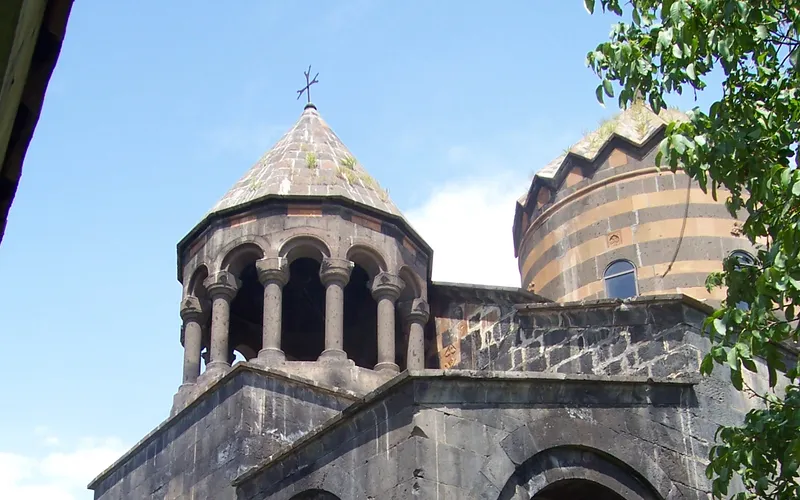
Մուղնու Սուրբ Գևորգ վանք
Մուղնի գյուղի նրբագեղ վանքը՝ հայտնի իր գծավոր որմնադրությամբ և հարուստ զարդարված ճակատով։
Բացել →
Սուրբ Հովհաննես եկեղեցի (Բյուրական)
Պատմական եկեղեցի Բյուրական գյուղում՝ Արագած լեռան լանջերին, ընդգրկված Հայաստանի մշակութային ժառանգության մեջ։
Բացել →Կանխատեսում Աստվածինկալ-ի համար
Հիմա, այսօր, վաղը, 5/7/10/14 օրով և ամիս առաջ: